


So you’re ready to take your laptop and work from anywhere in the world? That’s exactly the dream we’re all chasing. But with hundreds of potential destinations calling your name, how do you actually choose where to set up your temporary home office? Finding the best digital nomad destinations isn’t just about picking a place with cheap beer and good beaches (though those definitely help). You need reliable internet, a reasonable cost of living, a community of like-minded people, and ideally, some legal pathway to stay longer than a standard tourist visa allows. Let me walk you through the destinations that tick all these boxes in 2026.
Why Location Matters More Than Ever
You might think that as a remote worker, location doesn’t matter. After all, you’re just sitting behind a screen, right? Wrong. Your environment shapes everything from your productivity to your monthly budget to your mental health.
The difference between a $600 monthly rent in Chiang Mai and a $2,500 apartment in Lisbon is massive when you’re on a digital nomad budget. But it’s not just about money. Some cities have thriving coworking spaces where you’ll make friends within days, while others leave you feeling isolated.
The Essential Criteria
Before we dive into specific locations, let’s talk about what actually makes a destination worth considering:
- Visa policies that allow stays longer than 30 days
- Internet speeds of at least 20 Mbps (preferably 50+)
- Cost of living that aligns with your income
- Time zone compatibility with your clients or team
- Community size for networking and socializing
- Quality of life factors like safety, healthcare, and weather

Southeast Asia: The Classic Choice
Southeast Asia remains unbeatable for budget-conscious nomads in 2026. I started my nomad journey here five years ago, and I still return regularly because the value is just incredible.
Thailand: The Gold Standard
Thailand continues to dominate the conversation about the best digital nomad destinations, and for good reason. Bangkok offers the perfect blend of modern infrastructure and affordable living, while Chiang Mai provides that smaller-city charm with a massive nomad community.
The cost of living in Thailand for digital nomads ranges from $800 to $1,500 per month, depending on your lifestyle. That includes everything: accommodation, food, coworking, transportation, and entertainment.
Thailand’s new Long-Term Resident (LTR) visa program launched in 2024 has made staying longer significantly easier. Remote workers earning at least $80,000 annually can now get a 10-year visa. For those earning less, the Zetsim blog highlights various visa options available across different countries.
| City | Monthly Cost | Internet Speed | Community Size | Best For |
|---|---|---|---|---|
| Bangkok | $1,000-1,500 | 100+ Mbps | Very Large | Urban energy |
| Chiang Mai | $800-1,200 | 50-100 Mbps | Huge | Nature lovers |
| Phuket | $1,200-1,800 | 50-100 Mbps | Medium | Beach life |
Vietnam: The Rising Star
Vietnam has been climbing the ranks rapidly. Ho Chi Minh City and Hanoi both offer incredible food scenes, fast internet, and costs even lower than Thailand. The cost of living in Vietnam for digital nomads typically runs $700 to $1,100 monthly.
Da Nang deserves special mention. This coastal city has positioned itself as a digital nomad hub with excellent infrastructure, beautiful beaches, and a growing expat community. The only downside? Vietnam’s visa situation remains slightly more complex than Thailand’s, though 90-day e-visas are now standard.
Bali: The Island Paradise
Yes, Bali is crowded with nomads. Yes, it’s become more expensive. But there’s a reason everyone still talks about it. The island offers an unmatched combination of natural beauty, spiritual culture, wellness opportunities, and a massive entrepreneurial community.
Canggu has transformed into nomad central, with dozens of coworking spaces and cafes catering specifically to remote workers. The cost of living in Bali for digital nomads ranges from $1,000 to $2,000 monthly, depending heavily on your accommodation choices and lifestyle preferences.
Latin America: Perfect Time Zones for US Clients
If you work primarily with US-based clients or teams, Latin America solves the time zone headache that Asia creates. You’ll also find rich cultures, incredible food diversity, and some of the friendliest people on earth.
Mexico: Accessibility Meets Affordability
Mexico City has exploded as a digital nomad destination over the past three years. The food scene rivals any major city globally, the cultural offerings are endless, and the cost of living remains reasonable at $1,200 to $2,000 monthly for a comfortable lifestyle.
The Week discusses Mexico’s digital nomad visa, which allows stays of up to four years. This visa requires proving monthly income of around $4,300, making it accessible for established remote workers.
Other Mexican hotspots worth considering:
- Playa del Carmen for Caribbean vibes
- Puerto Vallarta for Pacific coast living
- Oaxaca for cultural immersion and lower costs
- Guadalajara for tech industry connections
Colombia: Incredible Value
Medellín consistently ranks among the best digital nomad destinations due to its spring-like eternal climate, affordable cost of living ($800-1,400 monthly), and excellent infrastructure. The city transformed itself from a troubled past into a modern, innovative hub that welcomes remote workers.
Bogotá offers more of a cosmopolitan vibe with a larger city feel, while coastal Cartagena provides that Caribbean atmosphere (though with significantly higher costs and less reliable internet).

Ecuador: The Budget Champion
Ecuador doesn’t get enough attention in conversations about the best digital nomad destinations. Cuenca offers colonial charm and extremely low costs ($700-1,000 monthly), while Quito provides more urban amenities at still-affordable rates.
The country uses the US dollar, eliminating currency exchange hassles. The new digital nomad visa requires proof of just $1,275 monthly income, making it one of the most accessible programs globally.
Europe: Quality of Life Leaders
European destinations cost more than Asia or Latin America, but they offer unmatched quality of life, easy travel throughout the continent, and strong infrastructure.
Portugal: The European Favorite
Lisbon became the darling of the digital nomad world around 2019 and hasn’t looked back. The city combines beautiful architecture, excellent food, mild weather, and a thriving startup scene. Expect to spend $1,800 to $2,800 monthly.
Portugal’s D7 visa (passive income visa) and new digital nomad visa make longer stays legally straightforward. Porto offers similar benefits at slightly lower costs, while the Algarve provides beach living year-round.
Spain: Cultural Richness
Barcelona and Madrid both attract significant nomad populations. Spain’s new digital nomad visa, launched in 2023, allows non-EU remote workers to live and work legally while enjoying significant tax benefits during the first few years.
Faroway’s comprehensive ranking evaluates destinations like Valencia, which has emerged as a strong alternative to Barcelona with lower costs and less tourist chaos.
Monthly costs in Spanish cities run $1,600 to $2,600, but the lifestyle, food, and cultural experiences justify the expense for many nomads.
Eastern Europe: Hidden Gems
Don’t overlook cities like:
- Tallinn, Estonia: Digital-first government, excellent infrastructure, around $1,400 monthly
- Prague, Czech Republic: Beautiful city with good costs, $1,300-1,900 monthly
- Budapest, Hungary: Thermal baths and ruin bars, $1,100-1,700 monthly
Estonia even offers e-Residency, allowing you to run an EU-based business remotely, though this doesn’t provide physical residency rights.
Emerging Destinations Worth Watching
The landscape of the best digital nomad destinations constantly evolves. Several locations are rapidly improving their infrastructure and policies to attract remote workers.
Albania
Tirana and the Albanian Riviera have become surprisingly popular. With extremely low costs ($600-1,000 monthly) and one-year visa-free stays for many nationalities, Albania offers exceptional value. Internet speeds have improved dramatically in major cities.
Georgia (the country, not the state)
Tbilisi charms visitors with its unique culture, incredible food, and one of the world’s most generous visa policies. Many nationalities can stay visa-free for a full year. The Remotely from Georgia program extends this even further for digital workers. Monthly costs run just $800-1,300.
Croatia
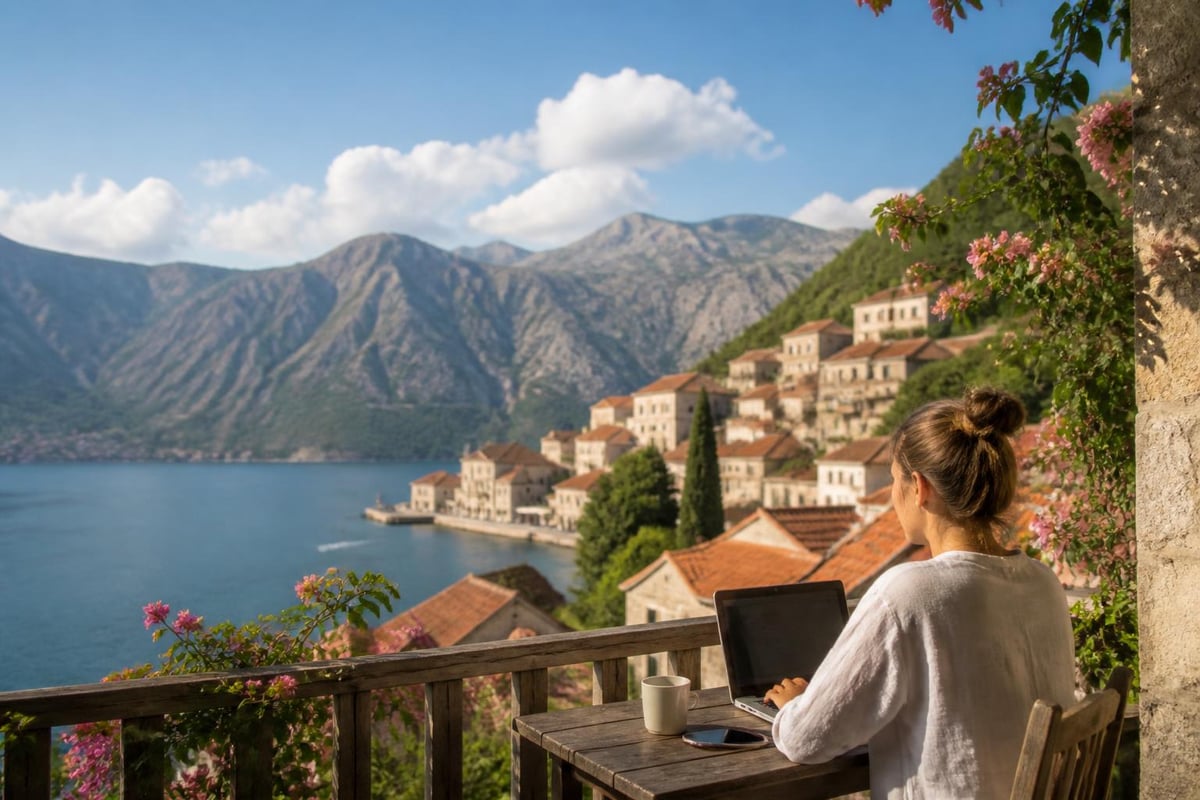
Split and Dubrovnik attract summer nomads, while Zagreb provides year-round infrastructure. Croatia introduced a one-year digital nomad visa in 2021, and its Schengen Area membership (as of 2023) makes it even more attractive. Costs are moderate at $1,400-2,200 monthly.
Making Your Decision
With so many options among the best digital nomad destinations, how do you actually choose? Start by honestly assessing your priorities and constraints.
Consider Your Income Level
Your monthly income dictates a lot. If you’re earning $2,000 monthly, Southeast Asia and parts of Latin America make sense. At $4,000+ monthly, Europe becomes comfortable. The cheapest cities for remote workers can help you match destinations to your budget.
Factor in Visa Requirements
Some countries make it easy to stay long-term, while others require constant visa runs or complex applications. Research affordable digital nomad visas before committing to a destination. Understanding visa policies from Rough Guides helps you plan legally compliant stays.
Test Before Committing
I always recommend spending at least a month somewhere before signing a long-term lease or committing to an annual visa. A destination that looks perfect on Instagram might not match your work style or personality.
Many nomads now embrace slow travel on a budget, spending 2-3 months in each location. This approach lets you truly experience a place while maintaining productivity.
Practical Tips for Each Region
Different regions require different preparation strategies. Here’s what you need to know beyond just picking a destination.
Southeast Asia Preparation
Essential items:
- Multiple plug adapters (different countries use different standards)
- Backup internet solution (local SIM cards are cheap and reliable)
- Mosquito repellent and basic medications
- Lightweight, modest clothing for temples
- Cash (many places still don’t accept cards)
Latin America Preparation
Key considerations:
- Learn basic Spanish (Portuguese for Brazil)
- Research neighborhood safety carefully
- Budget for higher Uber/taxi costs than Asia
- Bring good headphones (cities can be noisy)
- Prepare for altitude if heading to cities like Bogotá or Quito
Europe Preparation
Important planning:
- Track Schengen zone time limits (90 days per 180-day period)
- Budget significantly more than other regions
- Book accommodation earlier (less last-minute availability)
- Plan for seasonal variations (winter in many cities is challenging)
- Research coworking passes (daily drop-in rates add up fast)
| Region | Best Months | Avg Monthly Cost | Visa Complexity | Community Size |
|---|---|---|---|---|
| Southeast Asia | Nov-Feb | $800-1,500 | Easy-Moderate | Very Large |
| Latin America | Year-round | $1,000-2,000 | Easy-Moderate | Large |
| Southern Europe | Mar-Oct | $1,800-2,800 | Moderate-Hard | Large |
| Eastern Europe | May-Sep | $1,100-1,800 | Moderate | Medium |
Building Community Wherever You Go
Finding the best digital nomad destinations isn’t just about the place itself. It’s about the people you meet there. I’ve found that my happiness in a location correlates directly with the quality of my social connections.
Join Facebook groups for your destination before arriving. Attend coworking space events. Say yes to group dinners even when you’re tired. The nomad community is incredibly welcoming, but you have to make the first move.
Looking for work opportunities to fund your travels? Check out resources on earning money while traveling to supplement your income on the road.
The Hidden Costs Nobody Talks About
When calculating the cost of living, most nomads forget several significant expenses that add up quickly:
Often overlooked costs:
- Visa fees and border runs ($50-500 per country)
- Coworking space memberships ($50-300 monthly)
- VPN subscriptions for security ($5-12 monthly)
- Travel insurance ($50-150 monthly)
- Occasional flights home or to visa-run destinations
- Phone plans and international SIM cards
- Currency exchange fees and ATM charges
Factor these into your budget when comparing destinations. A cheap city can become expensive when you’re paying for visa runs every 30 days.
Health and Wellness Considerations
Your health matters more when you’re constantly moving between the best digital nomad destinations. Different locations pose different health considerations.
Thailand and Bali offer incredible wellness infrastructure with yoga studios, meditation centers, and healthy food options everywhere. Latin American cities tend toward heavier, fried foods, making healthy eating more challenging and expensive.
Europe provides excellent healthcare systems but at higher costs. Many Eastern European countries offer private medical care at reasonable prices with English-speaking doctors.
Consider researching staying healthy while traveling on a budget to maintain your wellbeing without breaking the bank.
Seasonal Strategy for Year-Round Nomading
Smart nomads follow the weather and the best deals. Here’s a strategic calendar for optimizing the best digital nomad destinations throughout 2026:
January-March: Southeast Asia (cool, dry season) or Mexico
April-June: Europe starts warming up, avoid Southeast Asia’s hot season
July-September: Eastern Europe or Colombia (avoiding European peak prices)
October-December: Return to Southeast Asia or try Latin America
This approach keeps you in pleasant weather while avoiding peak tourist seasons and high prices.
Finding the best digital nomad destinations comes down to balancing your budget, work requirements, lifestyle preferences, and legal considerations. Whether you choose the affordability of Southeast Asia, the time-zone convenience of Latin America, or the quality of life in Europe, there’s never been a better time to work remotely from anywhere in the world. Ready to start planning your nomad journey? XRWXV offers detailed guides on budgeting, visa options, and practical strategies to help you make the most of your location-independent lifestyle without breaking the bank.
