
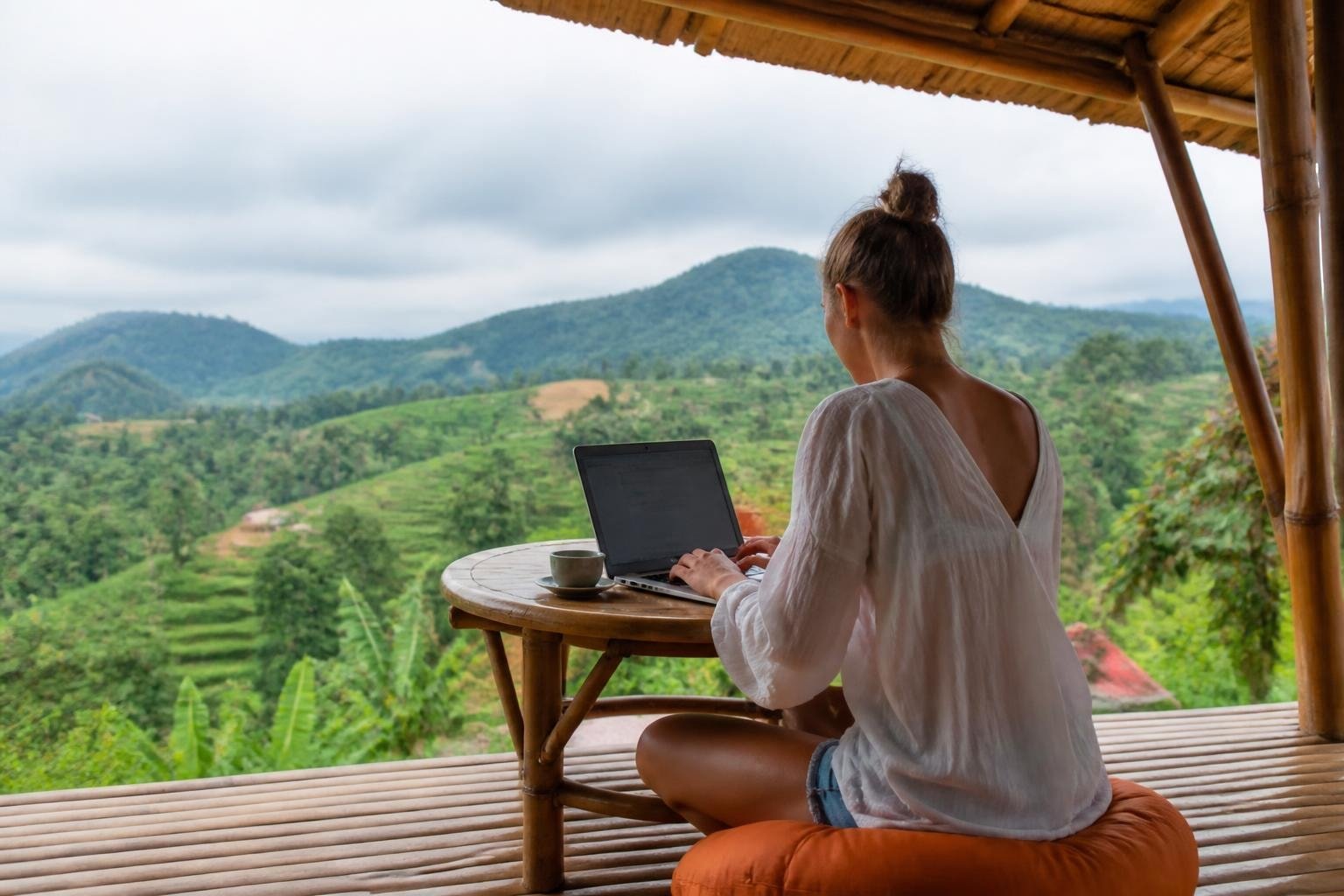

Have you been dreaming about taking a south east asia trip but aren’t sure where to start? You’re not alone. Southeast Asia has become the ultimate playground for digital nomads, offering an incredible combination of low living costs, reliable internet, welcoming communities, and diverse cultures. Whether you’re planning to work remotely for three months or embark on a year-long adventure, this region delivers experiences that’ll transform both your career and your perspective on what’s possible when you combine work with wanderlust.
Why Southeast Asia Is Perfect for Digital Nomads
Let’s talk about why this region has captured the hearts of remote workers worldwide. The cost-effectiveness alone makes a south east asia trip irresistible. You can live comfortably on a fraction of what you’d spend back home, with many digital nomads maintaining quality lifestyles on $1,000 to $1,500 monthly.
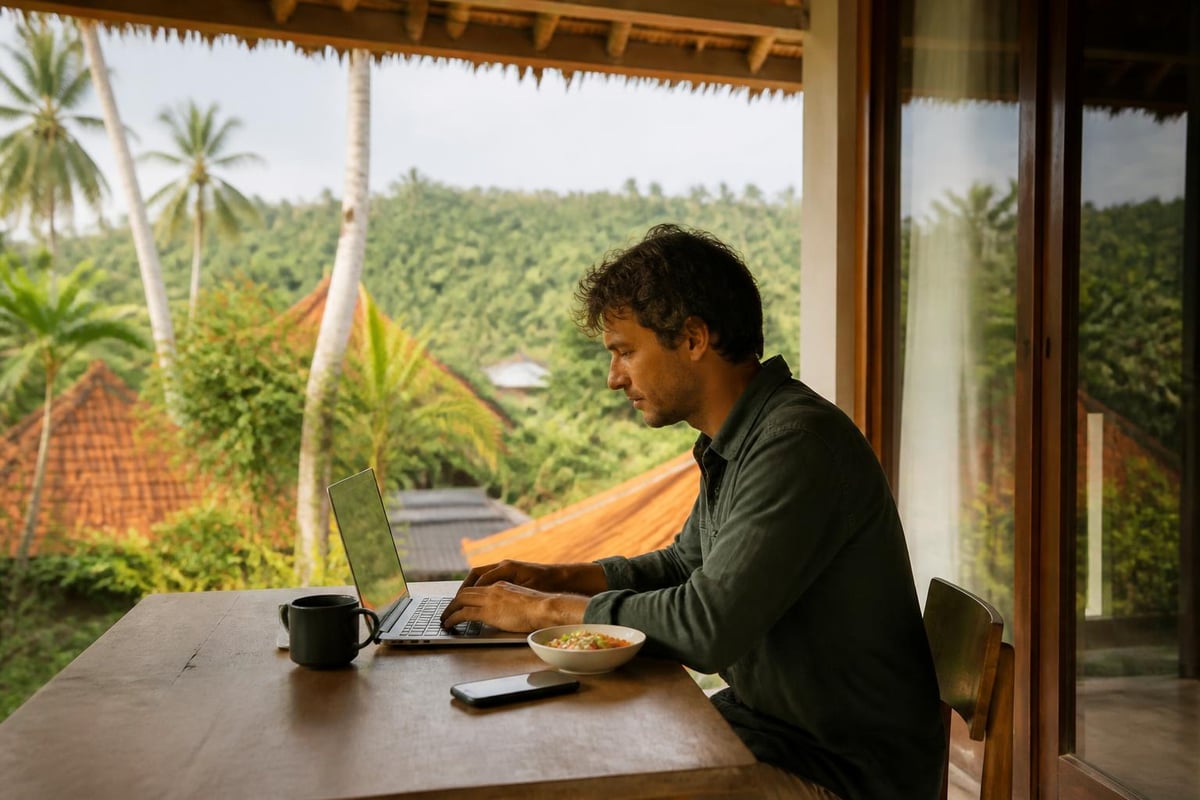
But it’s not just about the money. The infrastructure has caught up to nomad needs over the past few years. Coworking spaces have popped up everywhere from Bangkok to Bali, internet speeds rival what you’d find in Western cities, and time zones work well for collaborating with both American and European clients.
The Cost Advantages That Matter
Here’s what your budget might actually look like across different Southeast Asian destinations:
| Country | Monthly Accommodation | Daily Food Budget | Coworking Space | Total Monthly (Comfortable) |
|---|---|---|---|---|
| Thailand | $300-500 | $10-15 | $100-150 | $1,100-1,500 |
| Vietnam | $250-400 | $8-12 | $80-120 | $900-1,300 |
| Bali, Indonesia | $400-600 | $12-18 | $120-180 | $1,300-1,800 |
| Malaysia | $350-550 | $10-15 | $100-140 | $1,100-1,600 |
| Philippines | $300-500 | $8-14 | $90-130 | $1,000-1,400 |
These numbers reflect realistic 2026 prices based on current trends. The cost of living in Thailand for digital nomads remains one of the most competitive in the region, especially when you factor in quality of life.
Planning Your South East Asia Trip Route
Where should you actually go? That’s the million-dollar question, except in Southeast Asia, it’s more like the thousand-dollar question. Your route depends on visa situations, weather patterns, and personal preferences.
The Classic Circuit
Most nomads follow a tried-and-true path that maximizes visa options while minimizing travel hassle:
- Bangkok, Thailand (2-3 months) – Start here to adjust to Asian time zones and find your rhythm
- Chiang Mai, Thailand (1-2 months) – Lower costs, strong nomad community, excellent cafes
- Hanoi or Ho Chi Minh City, Vietnam (1-2 months) – Incredible food scene, growing digital infrastructure
- Siem Reap or Phnom Penh, Cambodia (3-4 weeks) – Cultural experiences, even lower costs
- Bali, Indonesia (2-3 months) – Beach life, established nomad community, spiritual vibes
- Penang or Kuala Lumpur, Malaysia (1-2 months) – Urban convenience, multicultural experiences
This guide to backpacking Southeast Asia offers additional route inspiration if you want to venture off the beaten path.
Seasonal Considerations
Timing your south east asia trip correctly saves you from monsoon misery. Generally speaking, November through February offers the best weather across most of the region. March through May brings extreme heat, while June through October means rainy season in most countries.
However, don’t let rain deter you completely. The month-by-month destination guide shows how you can chase good weather by moving between countries strategically.
Visa Strategies for Extended Stays
Now we’re getting into the practical stuff that actually matters when you’re planning more than just a vacation. Visa regulations have evolved significantly in 2026, with several countries rolling out programs specifically designed for remote workers.
Thailand’s Digital Nomad Visa
Thailand finally launched a dedicated digital nomad visa that allows 180-day stays with easy extensions. You’ll need proof of remote employment and minimum monthly income of $3,000, but it beats the old visa run routine.
Indonesia’s Second Home Visa
This five-year visa option has become increasingly popular, particularly for those basing themselves in Bali. It requires more upfront investment but provides long-term stability.
Vietnam’s E-Visa Extensions
Vietnam now offers 90-day e-visas with easier extension processes, making it simpler to settle in Hanoi or Da Nang for extended periods.
For comprehensive details on which visa makes the most financial sense, check out our guide to affordable digital nomad visas.
Managing Your Budget Like a Pro
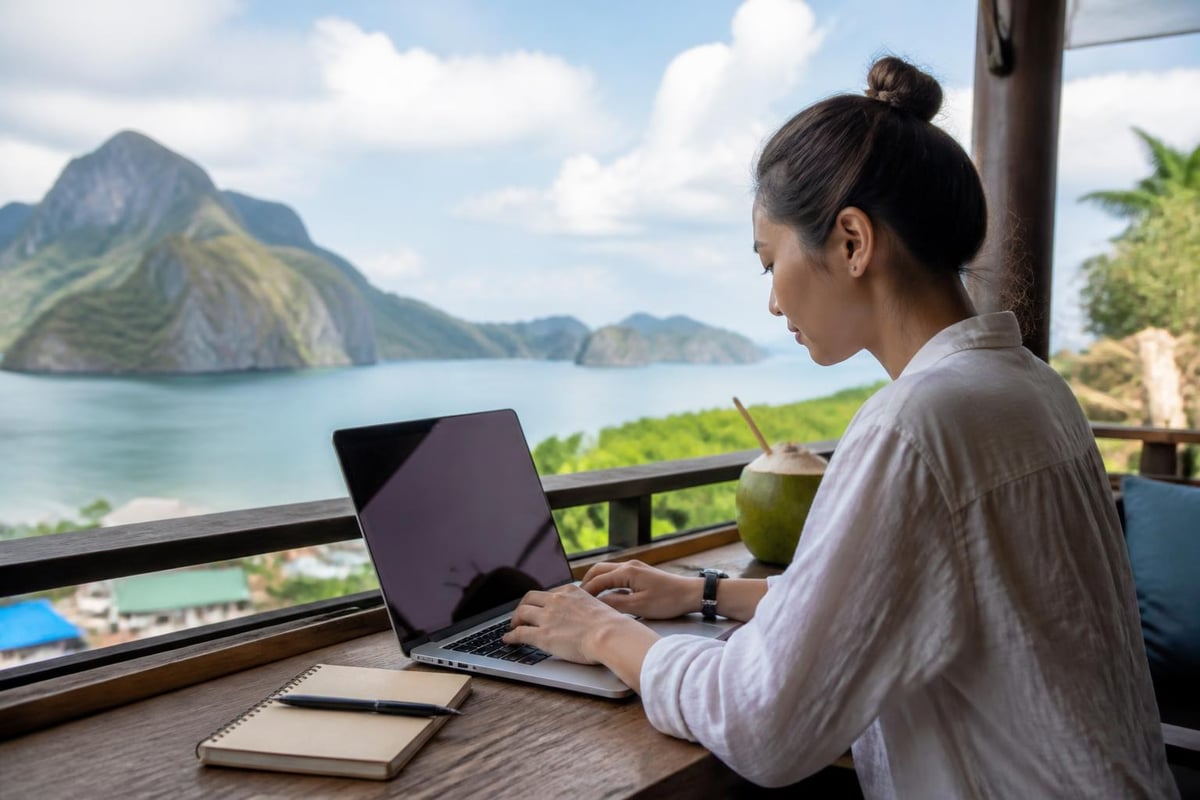
Let’s get real about money management during your south east asia trip. The biggest mistake new nomads make? Not tracking expenses properly and getting shocked when their “cheap” adventure costs way more than expected.
Fixed vs. Variable Costs
Your monthly budget breaks down into two categories:
Fixed Costs:
- Accommodation rental
- Coworking membership
- VPN subscription
- Travel insurance
- Phone plan
Variable Costs:
- Food and dining
- Transportation
- Entertainment
- Visa runs and renewals
- Emergency fund contributions
I recommend allocating 60% to fixed costs and 40% to variables. This gives you breathing room while maintaining financial discipline. The digital nomad budget strategies we’ve developed help you optimize both categories without sacrificing quality of life.
Banking and Money Transfer Solutions
Opening local bank accounts remains challenging in most Southeast Asian countries, but you don’t really need them. Here’s what actually works:
- Wise (formerly TransferWise) – Best exchange rates, multi-currency account
- Revolut – Great for daily spending, decent exchange rates
- Local ATM withdrawals – Use fee-free cards, withdraw larger amounts less frequently
- Credit cards with no foreign transaction fees – Essential for building points
Speaking of points, booking free flights with credit card points becomes easier when you’re strategically using cards during your travels.
Where to Work: Coworking and Coffee Culture
Your office situation dramatically impacts your south east asia trip experience. Some nomads thrive in bustling coworking spaces, while others prefer quiet cafe corners. You’ll probably need both.
Top Coworking Spaces by City
Bangkok:
- HUBBA – Multiple locations, strong community
- The Hive – Professional environment, great amenities
- Common Ground – Stylish spaces, networking events
Chiang Mai:
- Punspace – Nomad favorite, multiple locations
- CAMP – Modern facilities, reliable internet
- Mana – Newer space, excellent coffee
Bali:
- Dojo Bali – Legendary in nomad circles
- Outpost – Multiple locations, varied vibes
- Tropical Nomad – Coworking meets coliving
Most spaces charge $50-150 monthly for unlimited access. Day passes run $5-15 if you want to test before committing.
Cafe Working Etiquette
Here’s what you need to know about working from cafes without becoming “that person”:
- Order something every 2-3 hours minimum
- Don’t occupy prime seating during lunch/dinner rushes
- Use headphones for calls
- Ask permission before claiming a table for extended periods
- Tip well if you’re staying long
These practical tips for backpacking Southeast Asia include advice on respectful cafe culture and local customs that digital nomads should follow.
Staying Healthy and Productive on the Road
Nothing derails a south east asia trip faster than health issues or productivity crashes. You’re juggling work deadlines with exploration, which requires intentional wellness strategies.
Healthcare Considerations
Healthcare quality varies significantly across the region. Bangkok, Singapore, and Kuala Lumpur offer world-class private hospitals, while rural areas have limited options.
Essential preparations:
- Comprehensive travel insurance (don’t skip this)
- Vaccinations for typhoid, hepatitis A/B, Japanese encephalitis
- Antimalarial medication if visiting rural areas
- First-aid kit with common medications
- Digital copies of prescriptions
Productivity Hacks for Nomads
Working across time zones while exploring new cities requires systems:
- Block schedule your days – Deep work mornings, meetings afternoons, exploration evenings
- Use the two-screen setup – Laptop plus tablet or portable monitor
- Batch your exploration – Take full days off rather than half-days
- Protect your sleep – Blackout curtains and earplugs are essential
- Create morning rituals – Consistency anchors you amid constant change
Food, Culture, and Community
One of the greatest joys of a south east asia trip is the incredible food diversity. You can eat amazing meals for $2-5 throughout the region, with street food offering both authentic flavors and budget-friendly options.
Street Food Safety
Yes, you can eat street food without spending weeks in the bathroom. Follow these guidelines:
- Choose vendors with long lines of locals
- Eat fully cooked foods (skip raw vegetables initially)
- Observe cleanliness and food handling practices
- Start with cooked street food, work toward raw items as your stomach adjusts
- Bring hand sanitizer, use it religiously
Finding Your Nomad Tribe
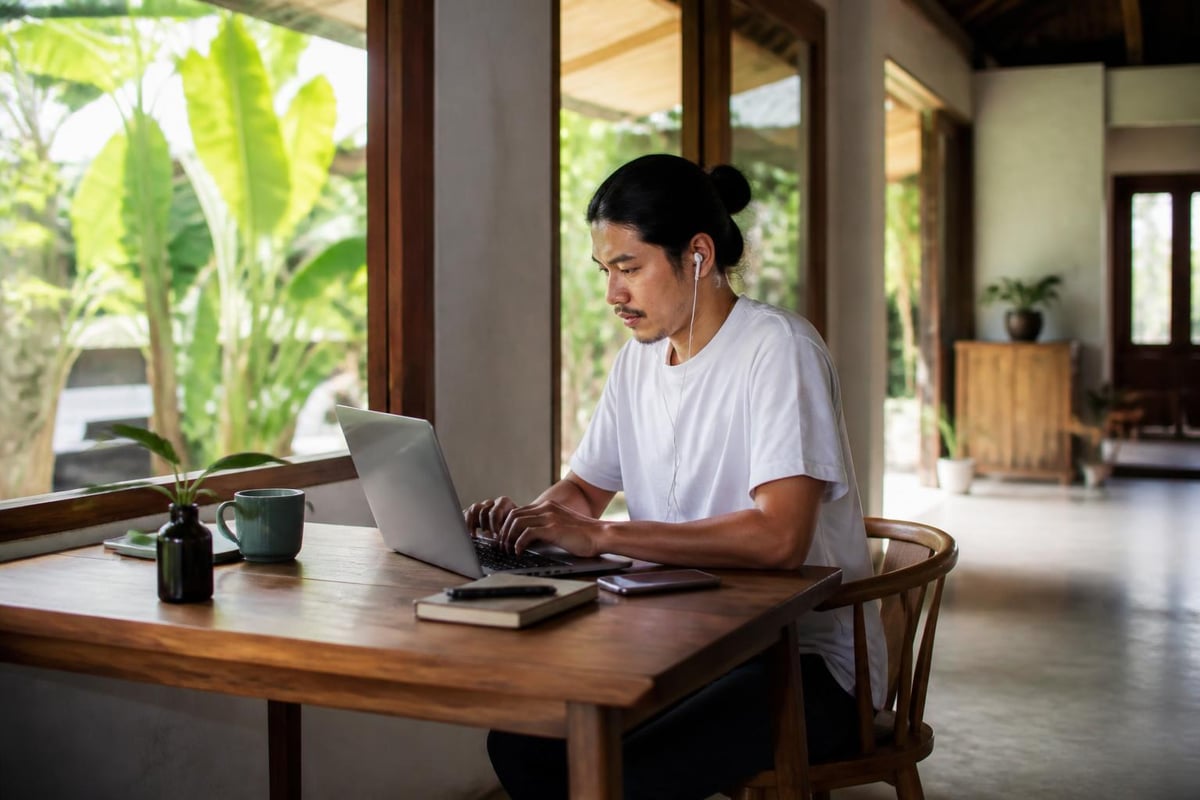
The digital nomad community in Southeast Asia is incredibly welcoming. Finding your people happens through:
- Coworking space events and workshops
- Facebook groups specific to each city
- Meetup.com digital nomad gatherings
- Skill-sharing sessions and mastermind groups
- Coliving spaces that curate community
Don’t isolate yourself in your accommodation. The connections you make become the highlight of your journey, often leading to collaborations, friendships, and business opportunities.
Safety and Common Sense Precautions
Southeast Asia is generally safer than many Western countries, but you still need awareness. The biggest risks aren’t violent crime but scams, theft, and traffic accidents.
Staying Safe as a Digital Nomad
Protect your gear:
- Never leave laptops unattended in cafes
- Use cable locks in shared accommodations
- Keep backups of everything in cloud storage
- Consider renter’s insurance that covers electronics
Scam awareness:
- Taxi meter scams (use Grab or Bolt apps instead)
- Gem scams in Bangkok
- Motorbike rental damage claims
- Tourist price inflation
Traffic safety:
- Wear helmets on motorbikes always
- Use ride-sharing apps for late nights
- Be extra cautious in Vietnam traffic
- Consider travel insurance that covers motorbike accidents
This comprehensive travel guide for Southeast Asia covers essential safety tips and local customs that help you navigate the region respectfully and securely.
Making Money While Traveling
Your south east asia trip doesn’t have to drain your savings. Many nomads actually increase their income while traveling by taking on additional projects, launching products, or starting location-independent businesses.
Side Hustle Opportunities
The lower cost of living gives you runway to experiment:
- Freelance writing or design – Build portfolio while expenses stay low
- Online tutoring – English teaching remains lucrative
- Virtual assistance – Support businesses in your home timezone
- Content creation – YouTube, blogs, social media about nomad life
- Consulting – Package your expertise for remote delivery
The budget travel strategies we recommend include ways to maintain or increase income while keeping expenses minimal, giving you financial breathing room.
Coworking as Networking
Your coworking membership isn’t just about wifi. These spaces become business incubators where you’ll meet:
- Potential clients looking for your skills
- Collaborators for joint ventures
- Mentors who’ve built successful remote businesses
- Friends who become accountability partners
Packing Smart for Long-Term Travel
After planning your south east asia trip for months, don’t blow it with terrible packing decisions. You’ll need different gear than weekend travelers, optimized for working remotely while moving frequently.
Essential Tech Setup
| Item | Why You Need It | Budget Option | Premium Option |
|---|---|---|---|
| Laptop | Your office | MacBook Air M1 | MacBook Pro 14″ |
| Backup hard drive | Protect your work | Seagate 2TB | Samsung T7 SSD |
| Power bank | Work anywhere | Anker 20,000mAh | RAVPower 26,800mAh |
| Universal adapter | Multiple countries | Generic adapter | Epicka universal |
| Noise-canceling headphones | Focus anywhere | Anker Soundcore | Sony WH-1000XM5 |
Clothing Strategy
Pack for one week, do laundry frequently. Seriously. You don’t need fifteen outfits. Laundry services throughout Southeast Asia charge $1-3 per kilogram, making it cheaper than checking bags on flights.
- 5-7 shirts (quick-dry fabrics)
- 2 pairs of pants/shorts
- 1 lightweight jacket
- 7-10 days underwear and socks
- 1 pair comfortable walking shoes
- 1 pair sandals
- Swimwear
The minimalist approach keeps you mobile and saves baggage fees as you move between countries.
Transportation Between Countries
Moving around during your south east asia trip is easier and cheaper than you’d expect. Budget airlines have made regional flights incredibly affordable, while buses and trains offer scenic alternatives.
Flight Booking Strategies
Budget airlines to know:
- AirAsia – Extensive regional network
- Scoot – Singapore-based, good safety record
- VietJet – Vietnam routes, competitive pricing
- Lion Air – Indonesia connections
Booking tips:
- Book 2-3 months ahead for best prices
- Fly Tuesday/Wednesday for cheaper fares
- Compare prices across airline websites directly
- Factor in baggage fees when comparing
- Use travel credit card hacks to maximize points
Overland Options
Sometimes the journey matters as much as the destination. Consider:
- Sleeper buses – Save accommodation costs, wake up in new cities
- Trains – Comfortable, scenic, perfect for working en route
- Minivans – Faster than buses, reasonable comfort
- Ferries – Essential for island hopping
Cultural Immersion Beyond Tourist Traps
Your south east asia trip becomes truly transformative when you engage with local culture beyond surface-level tourism. This requires intentionality and respect.
Learning Basic Language
You don’t need fluency, but learning basics shows respect:
- “Hello” and “thank you” in each country’s language
- Numbers 1-10 for market shopping
- “How much?” for negotiations
- Basic food terms for ordering
Apps like Duolingo offer free Southeast Asian language courses. Spending 10 minutes daily makes huge differences in local interactions.
Respecting Sacred Spaces
Southeast Asia has incredibly rich spiritual traditions. When visiting temples:
- Dress modestly (covered shoulders and knees)
- Remove shoes before entering
- Don’t point feet toward Buddha images
- Ask permission before photographing monks
- Speak quietly and behave respectfully
These cultural considerations appear in various Southeast Asia travel guides but bear repeating because they matter deeply to local communities.
Long-Term Accommodation Strategies
After your first month, you’ll want to move beyond hotels and hostels. Long-term rentals offer better value and help you establish roots in each location.
Finding Monthly Rentals
Best platforms:
- Facebook groups (city-specific nomad groups)
- Airbnb (negotiate monthly discounts directly)
- Local real estate Facebook pages
- Coworking space bulletin boards
- Word-of-mouth referrals
What to negotiate:
- At least 30% discount for monthly rentals
- Included utilities and wifi
- Cleaning service frequency
- Early checkout flexibility
- Security deposit terms
Coliving Spaces
Coliving has exploded across Southeast Asia, offering community alongside accommodation. These spaces typically include:
- Private bedroom with ensuite bathroom
- Shared coworking areas
- Community dinners and events
- Cleaning services
- All-inclusive pricing
Prices range from $500-1,200 monthly depending on location and amenities. The community aspect often justifies premium pricing, especially when you’re building your network.
Digital Connectivity and Internet Reliability
Your ability to work depends entirely on internet reliability. This isn’t negotiable for a successful south east asia trip as a remote worker.
Mobile Internet Solutions
Get local SIM cards immediately:
- Thailand: AIS or True Move
- Vietnam: Viettel or Mobifone
- Indonesia: Telkomsel
- Malaysia: Maxis or Celcom
- Philippines: Globe or Smart
Expect to pay $10-20 monthly for unlimited data plans. Always maintain two SIM cards from different providers as backup.
Wifi Reliability by Country
| Country | Average Speed | Reliability Rating | Coworking Recommendation |
|---|---|---|---|
| Thailand | 100-200 Mbps | Excellent | Optional |
| Vietnam | 80-150 Mbps | Good | Recommended |
| Malaysia | 100-250 Mbps | Excellent | Optional |
| Indonesia | 50-100 Mbps | Fair | Essential |
| Philippines | 40-80 Mbps | Fair | Essential |
Always test accommodation wifi before committing to long-term stays. Run speed tests at different times of day, especially during your primary working hours.
Exploring Hidden Gems
While Bangkok, Bali, and Chiang Mai dominate nomad conversations, your south east asia trip should include lesser-known destinations offering authentic experiences without tourist crowds.
Underrated Digital Nomad Destinations
Kampot, Cambodia – Riverside town with growing creative community, $600-800 monthly budget
Da Nang, Vietnam – Beach city with modern infrastructure, strong expat community, excellent food scene
Koh Lanta, Thailand – Island life without Phuket crowds, reliable internet, nature access
Penang, Malaysia – Cultural melting pot, incredible food, colonial architecture, strong infrastructure
Yogyakarta, Indonesia – Cultural heartland, universities create young energy, rock-bottom costs
These hidden travel gems on a budget offer experiences that feel more authentic while maintaining the connectivity and comfort digital nomads require.
Your south east asia trip represents more than just an extended vacation – it’s an opportunity to redesign your relationship with work, culture, and community while maintaining financial sustainability. The combination of affordability, infrastructure, and incredible experiences makes Southeast Asia the ideal testing ground for the digital nomad lifestyle. Whether you’re planning three months or building toward permanent nomadic living, XRWXV provides the practical resources, budget strategies, and visa guidance you need to make your Southeast Asian adventure both affordable and sustainable. Start planning your route today and join thousands of nomads who’ve discovered that working remotely from paradise isn’t just a dream – it’s an achievable reality.
