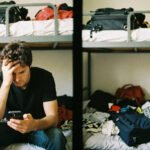
Look, nobody prepared me for this before I quit my job—traveling full-time on a budget is way less complicated than everyone acts like it is, but also Instagram is lying to you about how glamorous it actually gets. I’m writing this from some random café in Lisbon right now, between client calls, and my rent here for the entire month? Less than what I used to throw away on parking back in Chicago.
Been at this whole full-time travel thing for two years, and the weirdest part is I’m spending less money than when I had that “stable” life with car payments and a lease and furniture from IKEA that I didn’t even like how to travel full-time on a budget.
But real talk—when I first started googling “how to travel full-time on a budget,” everything was either super vague inspiration stuff (you know, the “just believe in yourself!” type posts that tell you nothing useful) or these insanely detailed spreadsheets from people who seemed genuinely excited about eating ramen for six months straight. Actually useful information about how to travel full-time on a budget without being miserable the whole time? Surprisingly hard to find.
Here’s what I figured out after literally living this for two years: traveling full-time on a budget has nothing to do with being cheap or hating your life. It’s about making intentional choices with your money. Knowing when spending makes sense and when you should skip it. Building ways to make money that work from literally anywhere. And honestly, just accepting that this lifestyle means caring about different stuff than you did before. You’re basically trading stability and owning a bunch of things for freedom and actual experiences. That trade isn’t for everybody, and that’s fine.
The people making this work long-term aren’t the ones with huge savings accounts necessarily. They’re people who built sustainable systems—ways to earn money remotely, smart strategies for keeping costs reasonable without feeling deprived, and honestly a whole mindset shift about valuing experiences more than possessions. They’re treating it like an actual lifestyle, not some extended vacation they’re desperately trying to make last as long as possible.
This guide breaks down how to travel full-time on a budget in ways that actually work long-term. We’re covering realistic budgets for different styles of travel, actual methods to fund this lifestyle while you’re doing it, how to handle money across different currencies and countries, why owning less stuff makes everything easier, and the mental shifts that separate people who burn out after three months from people who’ve been doing this for years. Whether you’re thinking six months or want to do this indefinitely, this’ll show you how to make the money part work instead of just hoping your savings somehow last.
👉 Need help managing money on the road? Start here: How to Manage Your Finances While Traveling.

The Reality of Full-Time Travel
Before you email your boss that you’re quitting and book some one-way ticket, we should probably talk about what this actually looks like day-to-day. Not the Instagram version—the real version with all the boring parts.
It’s Not a Permanent Vacation
Biggest myth about figuring out how to travel full-time on a budget? People think you’re constantly sightseeing and having adventures every single day. Reality check: most days are pretty boring. You’re answering emails, doing laundry at some sketchy laundromat, grocery shopping, cooking dinner, and screaming internally at slow wifi that won’t load anything. The difference is you’re doing all this normal boring life stuff in different countries.
Some weeks you barely leave your neighborhood because you’ve got work deadlines crushing you. Some months you don’t even move cities because constantly traveling is exhausting and costs way too much money. The “travel” part ends up being less about hitting every tourist attraction and more about just experiencing regular life in different places. Which honestly works out better in a lot of ways—you actually get to know places instead of just passing through as a tourist taking photos.
The Actual Challenges Nobody Talks About
Loneliness hits different when you’re traveling: You’re constantly saying goodbye to people right when you’re starting to actually know them. Making deep friendships is genuinely hard when you’re moving around all the time. Some people absolutely love the constant newness of meeting people. Other people find it emotionally draining after a few months.
Decision fatigue becomes brutal: Where should I go next? Where should I stay? What’s a reasonable price for this? Is this restaurant worth the money? When you’re trying to figure out how to travel full-time on a budget, you’re making like a thousand small decisions every single day, and it honestly wears you down after a while.
You’ll get tired of living out of a backpack: There will definitely be days when you’d trade every temple and beach in the world for your own kitchen with your actual spatula instead of whatever weird cooking utensils came with the Airbnb. Days when you desperately want your favorite coffee mug and a couch that actually belongs to you instead of someone else.
Relationships get complicated fast: Dating someone when you’re leaving in two weeks feels kind of pointless. Keeping friendships alive across twelve time zones takes actual work. Family doesn’t always understand why you’re choosing this over “being responsible” and getting a real job. You’ll miss important stuff like weddings and birthdays because you’re literally on the other side of the planet.
It’s not always cheaper than staying home: Despite what all those “travel full-time on a budget” blog posts promise, sometimes it genuinely costs more than if you’d just stayed home. Moving between countries costs money. Eating out constantly because the hostel kitchen is disgusting adds up fast. Everything’s marked up for tourists. Some months you’ll blow through way more cash than you planned, and that’s just reality.
But Here’s Why People Keep Doing It Anyway
Even with all that stuff? People who successfully travel full-time on a budget keep going because the trade-offs are worth it to them. You wake up in different cities. You experience cultures from the inside instead of as an outsider taking photos. You meet people from literally every corner of the world. You figure out you can adapt to basically anything that gets thrown at you. You realize how much of “normal” life structure is actually completely optional.
For a lot of people, the freedom to decide where you are and what you’re doing beats having stability. Not everyone obviously—but enough people that you’ll find entire communities of fellow travelers basically wherever you end up. The loneliness thing gets better when you’re constantly meeting other people who get this lifestyle because they’re living it too.
Who This Actually Works For
Learning how to travel full-time on a budget tends to work best for people who:
- Don’t need tons of physical stuff to feel comfortable
- Can handle uncertainty without freaking out
- Don’t mind being alone sometimes (or a lot)
- Can work independently without needing office structure
- Are comfortable always being the “new person” everywhere
- Genuinely prefer experiences to owning things
- Stay relatively calm when things go sideways (because they will)
If you’re someone who really needs routine and stability and a home base to feel grounded, forcing yourself into full-time travel is probably going to make you miserable. And that’s completely okay—this lifestyle genuinely isn’t for everyone.
Building a Travel Budget That Works
Alright, let’s talk actual numbers for how to travel full-time on a budget—what things really cost and how to plan around it without lying to yourself.
Daily Costs and Planning
When people ask me “how much money do you actually need to travel full-time on a budget,” the honest answer is “it depends,” which I know sounds super unhelpful but it’s true. Your costs can swing wildly based on where you’re going, your personal travel style, and what you’re actually willing to sacrifice.
Ultra-Budget Travel ($20-30/day)
This is technically possible in cheaper countries but requires serious discipline and honestly kind of sucks:
- Accommodation: $5-10 (hostel dorms with strangers snoring, super basic guesthouses)
- Food: $8-12 (street food only, cooking most meals yourself, literally zero sit-down restaurants)
- Transport: $2-5 (crowded local buses, walking everywhere, basically never taking taxis)
- Activities: $0-3 (only free stuff, maybe one paid attraction if you’re lucky)
Reality check: This gets pretty miserable long-term. You’re sleeping in dorm rooms with random people snoring constantly. You’re eating the same cheap street food on repeat until you’re sick of it. You’re skipping most activities that cost money while watching everyone else do them. You can technically survive on this budget but actually enjoying yourself? Not really happening.
Comfortable Budget Travel ($40-60/day)
This is the sweet spot for most people trying to figure out how to travel full-time on a budget:
- Accommodation: $15-25 (occasional private rooms when you need space, decent hostels, budget Airbnbs)
- Food: $15-25 (good mix of street food and occasional restaurants, cooking at hostels sometimes)
- Transport: $5-10 (buses, trains, occasional short flights when they make sense)
- Activities: $5-10 (most attractions you actually want to see, occasional tours)
- Social life: $5 (drinks a few times per week, not going out every single night)
Reality check: This actually feels sustainable over time. You’re not constantly depriving yourself of stuff. You can do activities that interest you. You get private space occasionally when you desperately need alone time. You’re eating well enough that meals aren’t depressing.
Comfortable Plus ($60-100/day)
For people wanting to travel full-time on a budget but with more comfort built in:
- Accommodation: $30-50 (mostly private rooms, occasional nicer hotels, good quality Airbnbs)
- Food: $25-40 (eating out pretty regularly, nice meals sometimes, good quality groceries)
- Transport: $10-20 (comfortable buses, domestic flights when convenient instead of torture buses)
- Activities: $10-20 (all the attractions you want, tours, whatever experiences you want)
- Social life: $10-20 (normal social life without constantly stressing about money)
Reality check: This honestly doesn’t even feel like “budget” travel anymore—you’re pretty comfortable. But it’s still way cheaper than having an apartment, car payment, and regular bills back home in most Western countries.
Regional Cost Differences
Your daily budget needs to be flexible based on where you are if you want to travel full-time on a budget sustainably:
| Region | Budget/Day | What That Actually Gets You |
|---|---|---|
| Southeast Asia | $30-50 | Comfortable private rooms, eating out all the time, doing activities |
| Eastern Europe | $40-60 | Decent accommodation, good food, seeing attractions |
| Latin America | $35-55 | Mix of comfort and budget mode, varies a lot by country |
| Western Europe | $60-100 | Still being budget conscious, hostels and cooking pretty often |
| Japan | $50-80 | Super efficient but not cheap, requires careful budgeting |
| Australia/NZ | $60-100 | Genuinely expensive, needs serious planning |
Monthly Budget Reality Check
Let’s say you want to travel full-time on a budget at a comfortable level (averaging $50/day):
Monthly breakdown:
- Daily expenses (30 days × $50): $1,500
- Visa costs: $30 (averaged out—some months way more, some months nothing)
- Travel insurance: $50
- Flights between countries: $100 (averaged—some months zero, others $300+)
- Buffer for random unexpected stuff: $120
- Total monthly: $1,800
That’s legitimately less than most people spend just on rent alone in major US cities. But you need consistent income coming in to sustain it, which we’ll get into in the next section.
Saving Money While on the Road
Here’s something weird about trying to travel full-time on a budget—you can actually save money while doing it if you’re smart about it. I’m personally saving more now than when I had a regular job back home, which still feels strange.
Strategies that actually work:
Pick cheaper countries on purpose: Spend way more time in places where your money goes further. Three months in Vietnam versus one month in Norway makes a massive difference in how fast you’re burning through cash.
Slow travel cuts costs dramatically: Moving around constantly bleeds money like crazy. Flights, buses, trains, short-term accommodation premiums, constant “new city” expenses where everything costs more. Staying in places 1-3 months at a time means:
- Monthly accommodation discounts (usually 30-50% cheaper than paying nightly)
- Time to actually find the cheap local spots instead of tourist traps
- Not constantly paying for transport between cities
- You can actually cook since you have a proper kitchen setup
Cook your own meals regularly: Restaurant meals cost anywhere from $5-15 each. Cooking at home runs $2-5 per meal. Over a month, cooking just half your meals saves you $300-500 easily.
Work while you’re traveling: This is honestly the real secret to learning how to travel full-time on a budget sustainably. You’re not just burning through savings—you’re actually earning money while you explore. We’ll get way more into this in the next section.
House-sit for completely free accommodation: Take care of someone’s house and pets in exchange for staying there for free. I’ve done this for weeks at a time—literally zero accommodation cost while having an entire place to myself.
Use credit card points strategically: Travel credit cards with signup bonuses can cover flights worth hundreds or even thousands of dollars. Just make sure you pay off the balance completely every month to avoid interest charges.
Skip expensive tourist activities most of the time: That $100 tour might be cool but you can often see the same area for free by just exploring it yourself. Choose one or two splurge activities per month, make everything else free or cheap.
Drink way less alcohol: This sounds boring but alcohol is expensive literally everywhere. Going from drinking most nights to just once or twice per week saves you $100-200 monthly pretty easily.
Real example from my life: I spent three months in Portugal recently. Rented a room in someone’s apartment for $400/month total (compared to paying $25-35 per night in hostels). Had access to a kitchen so I cooked probably 60% of my meals. Walked everywhere since the city was pretty compact. Still did activities I wanted and went out occasionally. My total monthly cost averaged around $1,200. If I’d been bouncing between hostels, moving cities all the time, and eating out constantly? Probably would’ve spent $2,500-3,000 monthly for those same three months.
Long-Term Housing Options
Finding affordable places to stay long-term is absolutely crucial when you’re trying to travel full-time on a budget. Hotels and short-term bookings will completely wreck your budget.
Monthly Airbnb Rentals
Most Airbnb hosts offer pretty substantial monthly discounts—usually 30-50% off their nightly rate. A place that costs $35 per night becomes $25 per night with monthly booking. That’s $300 saved every single month.
How to actually find good deals:
- Use the “long-term stays” filter in your search
- Message hosts directly and ask about their monthly rates
- Book during shoulder season or off-season for way better pricing
- Look for places slightly outside the main tourist centers
- Read reviews carefully for any mentions of long-term guests
Local Rental Platforms
Skip Airbnb’s hefty service fees completely by using local rental sites instead:
- Facebook Marketplace and Groups: Search for “[City name] apartments for rent” groups—locals often rent rooms here
- Local classified sites: Every country has their own version of Craigslist
- Expat forums: Digital nomad Facebook groups constantly share housing leads
- University areas: Check bulletin boards or student housing websites
Coliving Spaces
These are designed specifically for remote workers and people learning how to travel full-time on a budget:
- Everything’s included—wifi, electricity, water, cleaning
- Already furnished with dedicated workspace
- Built-in community of other travelers and nomads
- Usually runs $500-1,200 monthly depending on location
- Examples: Selina, Outsite, plus tons of local coliving spaces everywhere
Pros: Everything’s super easy, social atmosphere, workspace included Cons: More expensive than renting locally, can sometimes feel like living in an extended hostel
House-Sitting
Get completely free accommodation in exchange for taking care of someone’s home and pets:
- Main platforms: TrustedHousesitters ($129/year membership), HouseCarers, Nomador
- Sits can range from one week to 6+ months
- Typical responsibilities: feed the pets, water plants, keep the house maintained
- Usually need to build up some good reviews before you can land the best sits
Real example: I house-sat for a month in rural France once—beautiful house, two super chill cats, cost me literally zero dollars for accommodation while having the entire place completely to myself.
Work Exchanges
Trade work hours for accommodation and sometimes meals:
- Workaway/WWOOF: Usually 20-25 hours per week of work for free accommodation
- Types of work available: farm work, hostel reception, English teaching, light construction
- Food is sometimes included depending on the arrangement
- Great way to meet locals and get real cultural immersion
Best for: People who don’t mind physical work, want to stay longer in expensive countries, or are looking for cultural immersion instead of just being a tourist.
👉 More strategies for free accommodation: How to Score Free Accommodation Abroad.
Ways to Fund Your Full-Time Travel
Alright, here’s the actually most important part of figuring out how to travel full-time on a budget—how you’re going to pay for all of this without eventually running out of money.
The Savings Approach (Doesn’t Work Long-Term)
Lots of people start by saving up a big chunk of money then traveling until it’s all gone. This works for maybe 6-12 months max but it’s definitely not sustainable for actual long-term travel.
How much you’d need to save:
- 6 months of travel: $8,000-12,000 (depends heavily on where you’re going)
- 1 year: $15,000-25,000
- Should definitely include a buffer for emergencies and getting home if you need to
Reality check: Most people who only rely on their savings either run out of money and have to go back home, or they burn out from constantly stressing about watching their bank account shrink. To genuinely travel full-time on a budget sustainably, you absolutely need some kind of income while you’re traveling.
Remote Work (Actually Sustainable)
Working remotely while you travel is how most people actually sustain this lifestyle long-term. It’s not the sexiest answer but it’s the real one.
Regular Employment Options:
Negotiate keeping your current job remotely: Some companies will let you work from anywhere now. Try negotiating this before you quit. A lot of businesses went fully remote during COVID and just never went back to the office.
Find a remote-first company: There are tons of companies now that specifically hire for remote positions. They literally don’t care where you are as long as the work gets done on time.
Best job boards for remote work: Remote OK, We Work Remotely, FlexJobs, RemoteOK—these all focus specifically on remote positions.
Freelancing (Maximum Flexibility)
Freelancing gives you complete control over your schedule and which clients you take—pretty ideal for people learning how to travel full-time on a budget.
Skills that are in high demand:
- Writing and content creation ($30-100 per hour typically)
- Graphic design ($40-150 per hour)
- Web development ($50-200 per hour)
- Digital marketing ($40-150 per hour)
- Video editing ($30-100 per hour)
- Virtual assistance ($15-50 per hour)
Main platforms to use: Upwork, Fiverr, Freelancer.com, Toptal (this one’s for experienced professionals)
Reality check: It usually takes about 2-6 months to build up enough of a client base to actually support full-time travel. Start building this before you leave your current situation.
Teaching Online
This provides pretty reliable income that works from literally anywhere:
- English teaching: VIPKid, Cambly, iTalki (usually $15-30 per hour)
- Subject tutoring: Math, science, test prep stuff ($25-100 per hour depending on the subject)
- Creating courses: Create the content once, then sell it repeatedly on platforms like Udemy or Teachable
Pros: Consistent income stream, flexible hours you can work around your travel schedule Cons: Time zone challenges can be brutal, sometimes requires you to commit to set hours
Content Creation (Passive Income Potential)
Building an audience takes forever but it creates ongoing income streams:
- Blogging: Ad revenue, affiliate marketing, sponsored content (anywhere from $500-5,000+ monthly once you’re established)
- YouTube: Ad revenue plus brand sponsorships ($1,000-20,000+ monthly for channels that take off)
- Instagram: Sponsored posts, affiliate marketing deals
- TikTok: Creator fund payments, brand partnership deals
Reality check: This typically takes 6-18 months before you’re making meaningful money from it. Definitely not a quick solution but it’s very sustainable long-term if you stick with it.
Multiple Income Streams Strategy
Most people who successfully travel full-time on a budget have somewhere between 2-4 different income sources running at the same time:
Example of what that might look like:
- Primary income: Freelance writing ($2,500 monthly)
- Secondary income: Online tutoring ($800 monthly)
- Passive income: Blog affiliate stuff ($300 monthly)
- Side income: Selling stock photos ($150 monthly)
- Total income: $3,750 per month
Having this diversification means if one income stream slows down temporarily, you’re not completely screwed. Way more sustainable than depending entirely on a single source.
Seasonal Work Approach
Work intensively during certain periods, then travel on those savings during your breaks:
- Ski resort jobs during winter season
- Beach resort positions during summer
- Festival and event work when those are happening
- Harvest work like fruit picking or working at wineries
Reality check: This is usually pretty physically demanding work. Good option for younger travelers mostly. Often provides accommodation which lets you save money super aggressively during the work periods.
Mindset and Minimalism for Long-Term Travelers
The mental and lifestyle shifts you need to make to successfully travel full-time on a budget—this is honestly what separates people who thrive at this from people who flame out after a few months.
Redefining What “Enough” Actually Means
When you’re learning how to travel full-time on a budget, you figure out pretty quickly how little stuff you actually need to be happy. That apartment full of furniture you had back home? You haven’t missed a single piece of it. That closet overflowing with clothes? You’re wearing the same seven shirts on rotation and you’re completely fine with it.
What you actually need to bring:
- One backpack that fits airplane carry-on requirements (40-50L capacity)
- About 5-7 outfits total (pieces that mix and match, quick-dry fabric)
- Your laptop and phone (literally your lifeline for both work and staying connected)
- Basic toiletries (just buy stuff locally instead of hauling everything with you)
- Maybe a book or Kindle if you’re into reading
- Portable charger for your devices
- That’s genuinely all you need
What you don’t actually need but probably think you do:
- More than two pairs of shoes (you really don’t)
- “Just in case” items that you never end up using (you can buy things literally anywhere if you need them)
- Sentimental objects taking up space (take photos of them, leave the actual items)
- Every single gadget and accessory you own
- Some extensive first-aid kit (pharmacies exist in every country)
The freedom that comes from owning way less stuff is genuinely one of the best parts of this whole lifestyle. No storage unit fees eating your budget every month. No stress about possessions you’re not even using. No constant decisions about what to bring because you physically can’t bring that much anyway. It’s actually really liberating once you get used to it.
Valuing Experiences Over Possessions
The mental shift from accumulating physical stuff to accumulating experiences is pretty crucial for learning how to travel full-time on a budget sustainably.
Old mindset you probably had: “I need a nicer car, bigger apartment, more clothes, newest phone” Travel mindset: “I want to explore that city, try that food everyone talks about, meet those people, see that incredible landscape”
Your money goes toward experiences now instead of stuff. When you splurge $50, it’s not on a new shirt anymore—it’s on a cooking class with locals or a day trip to somewhere you’ve never been. This shift honestly makes maintaining a travel budget way easier because you’re spending money on what genuinely matters to you now.
Getting Comfortable with Uncertainty
Learning how to travel full-time on a budget means getting comfortable with not really knowing:
- Where you’ll even be in three months
- Exactly how much money you’ll make next month
- Whether your current income stream will keep working
- If you’ll actually like your next destination
- When you’ll see your family and friends again
Some people find this uncertainty super exciting and energizing. Other people find it anxiety-inducing and exhausting. If you’re naturally someone who needs detailed plans and security to feel okay, full-time budget travel might genuinely not work for you—and that’s completely fine.
Ways to handle the uncertainty better:
- Keep 3-6 months worth of expenses saved in an emergency fund
- Always have backup plans ready (multiple skills, several income streams)
- Stay connected to online communities for support when things get weird
- Do regular check-ins with yourself about whether this still feels right
- Give yourself permission to go home if you need to (it’s not failure, it’s just a choice you’re allowed to make)
Building Routines While You’re Constantly Moving
Having some structure actually helps even when your physical location is constantly changing. People who successfully travel full-time on a budget create portable routines that work anywhere they go:
Example morning routine:
- Wake up at the same time no matter where you are
- Have coffee while you plan out your day
- Work during your most productive hours
- Take a lunch break to explore the local area
- Another work block in the afternoon or do activities
- Evening time for relaxing or being social
Weekly structure that works:
- Weekdays: Focus on work and being productive
- Weekends: Time for exploration and experiences
- Sunday evening: Planning for the upcoming week
These kinds of routines create some stability within all the instability, making it way easier to maintain both productivity and mental health over the long term.
Knowing When You Actually Need to Rest
The pressure to constantly explore because “I’m traveling!” is super real but it’s also exhausting. People who sustainably travel full-time on a budget give themselves permission to have boring normal days sometimes.
Signs you seriously need to slow down:
- Everything’s starting to feel like an obligation instead of something exciting
- You’re skipping stuff because you genuinely can’t face another new thing
- You’ve got this constant low-level anxiety that won’t go away
- Not sleeping well even though you’re exhausted
- Getting sick way more frequently than normal
- Actually dreading your next destination change
Things you can do about it:
- Stay somewhere for 2-3 months instead of 2-3 weeks
- Take an entire week where you don’t do any tourist activities at all
- Go somewhere familiar and comfortable instead of constantly picking new places
- Consider going home briefly for a reset if you really need it
Remember—this is your actual life now, not some vacation. Living a normal life includes boring days, staying in occasionally, and not being “on” all the time.
Building Community Connections
Loneliness is honestly one of the biggest challenges when you’re learning how to travel full-time on a budget. Fighting it off requires some intentional effort on your part:
Online communities that help:
- Digital nomad Facebook groups specific to your location
- Expat groups for whatever city you’re in
- Slack communities for people in your industry
- Reddit communities like r/digitalnomad and r/solotravel
In-person ways to connect:
- Coworking spaces (you get built-in community automatically)
- Meetup.com events for expats and nomads in your area
- Language exchange meetups (even if you’re already fluent in the language)
- Hostel common areas when you’re feeling social
- Taking classes or doing activities like yoga, cooking classes, language courses
Keeping connections back home alive:
- Regular video calls with your family and close friends
- Shared photo albums so people can follow what you’re doing
- Group chats to stay in the loop with everyone
- Being okay with the fact that some relationships will naturally change
The community aspect is honestly crucial for making this sustainable. Having people around who understand this lifestyle makes everything way easier. Trying to do it completely isolated is basically a recipe for burning out super fast.
Conclusion
Learning how to travel full-time on a budget really isn’t about discovering some secret hack or being willing to live miserably cheap. It’s about building systems that actually work—income you can earn from anywhere, spending habits that feel reasonable without being excessive, and mindsets that genuinely value freedom more than stability.
The math honestly works out fine. Spending $1,500-2,000 monthly can fund pretty comfortable full-time travel in most parts of the world—that’s less than what most people spend just on rent and car payments back home. For most people, the real barrier isn’t actually money. It’s fear. Fear of leaving stability behind. Fear of dealing with uncertainty. Fear of what other people will think about your choices. Fear of it not working out the way you hoped. Those fears all make sense, but they shouldn’t stop you from trying this if it genuinely calls to you.
Start building some kind of remote income right now, before you leave. Spend maybe 6-12 months developing skills that people will pay for, finding your first clients, proving to yourself that you can actually make money without being tied to a location. Save up an emergency fund so you have the option to go home if things don’t work out. Pick cheaper destinations initially while you’re still figuring out all your systems. Connect with other people who are doing the same thing.
The people who successfully travel full-time on a budget for years aren’t particularly special or super lucky. They just decided to prioritize this lifestyle over the other options available to them. They decided that freedom to choose where they wake up every morning was worth more to them than career advancement and accumulating a bunch of possessions. They built the skills and systems to make it actually sustainable over time. They accepted the trade-offs that come with it—dealing with loneliness sometimes, constant uncertainty about the future, missing important milestones happening back home.
One year from now you could be working from some café in Bali, a coworking space in Mexico City, or a beach town somewhere in Portugal. Or you could still be sitting exactly where you are right now thinking “someday I’ll actually do that” while another year just passes by. The only real difference between those two scenarios is deciding to actually start building toward it instead of just dreaming about it.
This lifestyle is genuinely way more accessible than most people think. The real question is whether you want it badly enough to choose it over the comfortable alternative you already have sitting right in front of you.
👉 Live your dream without draining your savings—find real travel budgeting advice at XRWXV.com.
Quick Start Checklist: Your First 6 Months
Months 1-3 (Before You Actually Leave):
- [ ] Start building some kind of remote income (freelancing, applying for remote jobs)
- [ ] Save up $5,000-10,000 minimum for your emergency fund
- [ ] Pay off any high-interest debt you’re carrying
- [ ] Sell or put in storage all your belongings
- [ ] Get travel insurance quotes and actually compare them
- [ ] Apply for travel credit cards that have good signup bonuses
- [ ] Research your first 2-3 destinations really thoroughly
Months 4-6 (While You’re Actually Traveling):
- [ ] Start in genuinely cheaper countries (Southeast Asia, Eastern Europe)
- [ ] Stay at least 1+ month per location initially to keep costs down
- [ ] Track literally every single expense you have
- [ ] Adjust your budget based on what’s actually happening versus what you planned
- [ ] Build a consistent remote work routine that actually works for you
- [ ] Join digital nomad communities both online and in-person wherever you are
- [ ] Honestly evaluate: Is this actually sustainable? Do I even like doing this?
Resources mentioned: Nomadic Matt and Travel + Leisure for additional research and travel inspiration.