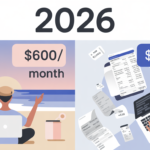
Building wealth is one of life’s greatest goals save money without sacrificing lifestyle, but for many people, the idea of saving thousands feels out of reach. Rising costs, everyday expenses, and lifestyle inflation can make financial freedom seem impossible. The mistake most people make? Believing that saving money requires giving up the comforts and pleasures they enjoy daily.

Here’s the truth: with smart strategies, you can save money without sacrificing lifestyle. You don’t need to cut out coffee dates, skip gym classes, or say no to social gatherings just to build your savings. Instead, it’s about being intentional—shifting how you manage money, uncovering hidden savings, and creating extra income streams.
In this guide, we’ll cover practical steps to save money without stress, from budgeting tricks to cashback hacks. Whether you’re building an emergency fund, saving for a down payment, or planning for early retirement, these tips will help you reach your financial goals while still enjoying life today.
Create a Smart Savings Budget for Save Money Without Sacrificing Lifestyle
Every successful savings plan begins with a budget. Not only does budgeting help you see where your money is going, it also gives you a realistic plan for how much you can set aside without tightening the belt too hard.
Track Monthly Expenses to Save Money
You can’t save if you don’t know where your money is leaking. Tracking expenses shines a light on hidden spending habits.
Practical ways to track:
- Use money apps: Tools like Mint, YNAB (You Need a Budget), or PocketGuard automatically categorize purchases.
- Set up a spreadsheet: Even a simple Excel or Google Sheets file can be powerful for DIY trackers.
- Divide essentials vs. non-essentials: Rent, utilities, and groceries are musts. Takeout, streaming services, and impulse buys are not.
👉 Example: Sarah, a teacher from New York, tracked her spending and realized she was spending $180/month on food delivery. By cutting that in half and cooking three nights per week, she redirected nearly $1,080 into her savings in six months—without giving up her favorite Friday pizza nights.
Set a Realistic Savings Goal
Saving “what’s left over” rarely works. A clear goal makes saving intentional and motivating.
Steps to build your savings fund:
- Estimate your target amount: Emergency fund = 3-6 months expenses. Down payment = $20,000-$50,000. Early retirement = $500K+.
- Set a timeline: Divide the cost by your timeline. $12,000 ÷ 12 months = $1,000 per month.
- Automate savings: Open a dedicated “Savings Fund” account. Set automatic transfers right after payday.
- Use bonus income wisely: Tax refunds, birthday money, or freelance checks go straight into savings.
💡Pro tip: Treat your savings like a “non-negotiable bill.” Just like rent or utilities, it should be automated and consistent.
Reduce Everyday Costs Without Sacrificing Lifestyle
Cutting costs doesn’t mean cutting happiness. The trick is optimizing—not eliminating—the things you already do.
Optimize Subscriptions & Bills to Save Money
Small recurring charges add up to big yearly costs.
- Cancel unused subscriptions (old streaming accounts, forgotten apps).
- Switch to cheaper plans if you don’t need premium tiers.
- Use family or group plans for shared savings.
- Negotiate lower bills—many internet or phone companies offer hidden discounts if you ask.
Case study: By reviewing her bank statement, Anna found three unused app subscriptions totaling $28/month. That’s $336 a year—enough for a weekend getaway or emergency fund boost.
Smart Grocery & Dining Tips
Food is one of the easiest categories to overspend on—yet it’s also the easiest to optimize.
- Meal prep in batches: Prepping meals for the week reduces impulse takeout orders.
- Discount & cashback apps: Use apps like Ibotta, Fetch Rewards, or Rakuten to score deals.
- Loyalty programs: Sign up for grocery store or café reward cards for freebies.
- Strategic dining: Instead of eliminating dining out, limit it to weekends or special occasions.
Example Savings: Cooking four dinners at home per week instead of ordering out can save $60–$80 per week. Over six months, that’s nearly $1,500—enough to fully fund an emergency fund or invest in index funds.
Leverage Side Hustles to Boost Savings
At some point, trimming costs has limits. That’s where extra income comes in. Side hustles allow you to boost your savings without touching your core lifestyle budget.
Ideas to explore:
- Freelancing: Offer skills like writing, design, or virtual assistance on Upwork and Fiverr.
- Selling digital products: Create templates, e-books, or printable planners on Etsy.
- Photography: Sell stock photos on Shutterstock or Adobe Stock.
- Tutoring or teaching online: Platforms like VIPKid or Preply pay $15–$25/hour.
- Micro-jobs: Task apps like TaskRabbit, Gigwalk, or Amazon MTurk let you earn from odd jobs.
👉 More ideas? See: Best Side Hustles to Boost Your Income in 2025
💡 Real-world example: A digital marketer named James earned $500/month as a part-time copywriter. Within 10 months, his side hustle fully funded a $5,000 investment portfolio—without touching his primary income.
Maximize Cashback & Rewards to Save Money
Reward hacking is one of the most powerful tools for savers. By strategically using rewards programs, you can earn hundreds—or even thousands—back on spending you’d do anyway.
How to Maximize Rewards
- Get a cashback credit card: Options like Chase Freedom Unlimited or Citi Double Cash give 1.5-2% back on everything.
- Charge everyday expenses: Groceries, gas, dining, and bills rack up points faster than you think.
- Join store loyalty programs: Target RedCard, Amazon Prime Rewards, Costco Visa—all offer instant savings.
- Leverage shopping portals: Use Rakuten, Honey, or RetailMeNot for double-dip cashback.
- Stack credit card + store rewards: Buy at Target with RedCard + use Chase Freedom = 7% total back.
Common Mistakes to Avoid
- Carrying a balance (interest cancels out rewards).
- Opening too many cards at once.
- Ignoring annual fees vs. rewards earned.
💡 External resource: NerdWallet’s Guide to Credit Card Rewards is an excellent step-by-step breakdown for beginners.
Stay Motivated & Track Progress
Saving money takes time, so motivation is key. Without it, it’s easy to slip back into old habits.
Ways to stay inspired:
- Visual trackers: A progress bar, a mason jar filled with coins, or a digital chart.
- Celebrate milestones: For every $1,000 saved, reward yourself with a fun (but affordable) experience.
- Join online groups: Facebook money-saving communities or Reddit’s r/PersonalFinance offer accountability.
- Vision boards: Print out pictures of your financial goals and keep them visible.
👉 Example: A couple saving for a house deposit printed a photo of their dream home and stuck it to their fridge. Each time they resisted eating out and cooked at home, they marked progress toward their “Dream Home Fund.”
Example of a Monthly Savings Plan
Here’s what a practical savings plan might look like for someone earning $3,500/month:
| Category | Monthly Savings | Strategy |
|---|---|---|
| Automated Savings | $350 | 10% automatic transfer after payday |
| Subscription Audit | $50 | Cancel unused services |
| Dining Adjustments | $120 | Cooking 3x per week instead of takeout |
| Side Hustle Income | $400 | Freelance gigs on weekends |
| Cashback Rewards | $80 | Credit card + shopping portals |
👉 Total Monthly Savings = $1,000
At this pace, you’d save $12,000 in just 12 months—enough for a solid emergency fund, investment start, or major life goal.
Additional Strategies for Advanced Savers
If you’ve mastered the basics, here are extra tactics to supercharge your savings:
- Use a high-yield savings account: Earn 4–5% interest while your money grows (Marcus, Ally Bank, CIT Bank).
- Try a no-spend challenge: Dedicate one weekend per month to zero discretionary spending.
- Round-up apps: Tools like Acorns round up purchases and invest the change.
- Cash-only envelopes: Limit categories like dining or entertainment with set weekly envelopes.
- Seasonal gig work: Holiday retail, summer event staffing, or festival work can add quick chunks of savings.
Real-Life Example: How Michael Saved $15,000 in One Year
Michael’s Situation:
- Income: $4,200/month after taxes
- Age: 32
- Goal: Build investment fund without sacrificing lifestyle
What He Did:
| Strategy | Monthly Savings | Annual Total |
|---|---|---|
| Automated 15% savings | $630 | $7,560 |
| Negotiated rent down | $150 | $1,800 |
| Canceled unused subscriptions | $45 | $540 |
| Side hustle (web design) | $500 | $6,000 |
| Cashback rewards | $75 | $900 |
| TOTAL | $1,400 | $16,800 |
What He DIDN’T Give Up:
- Weekly dinners with friends
- Gym membership
- Netflix + Spotify
- Monthly concert tickets
- Daily coffee (switched to home espresso)
Result: Saved $15,000 in 12 months and invested it in index funds—while maintaining his quality of life.
Common Mistakes to Avoid
Mistake #1: Trying to Save on Everything
Fix: Focus on high-impact areas (housing, transport, food).
Mistake #2: No Emergency Fund First
Fix: Build $1,000 emergency cushion before aggressive investing.
Mistake #3: Ignoring Small Leaks
Fix: Those $10/month subscriptions add up to $600/year.
Mistake #4: Lifestyle Inflation
Fix: When income increases, increase savings rate proportionally.
Mistake #5: All-or-Nothing Mentality
Fix: Small progress is still progress. Save what you can, when you can.
Your 30-Day Action Plan
Week 1: Assess
- [ ] Track spending for 7 days
- [ ] List all subscriptions
- [ ] Calculate net worth
- [ ] Set 1-2 specific savings goals
Week 2: Optimize
- [ ] Set up automatic savings transfer
- [ ] Negotiate one fixed expense (internet, phone, insurance)
- [ ] Audit and cancel unused subscriptions
- [ ] Open high-yield savings account
Week 3: Implement
- [ ] Apply 24-hour rule to purchases over $50
- [ ] Set up cashback apps (Rakuten, Ibotta)
- [ ] Create separate “fun money” account
- [ ] Meal prep for the week
Week 4: Increase
- [ ] Research side hustle options
- [ ] Sell 5 unused items online
- [ ] Review progress and adjust strategy
- [ ] Celebrate first month wins
Recommended Tools & Resources
Budgeting Apps:
- YNAB (You Need A Budget) – Best for hands-on budgeting
- Mint – Best free option
- Monarch Money – Best for couples
- PocketGuard – Best for simplicity
Cashback & Rewards:
- Rakuten – Up to 10% cashback online shopping
- Ibotta – Grocery cashback
- Honey – Automatic coupon finder
- Fetch Rewards – Scan receipts for points
High-Yield Savings:
- Marcus by Goldman Sachs – 4.50% APY
- Ally Bank – 4.35% APY
- CIT Bank – 4.85% APY
Investment Apps (Long-Term Wealth):
- Vanguard – Low-fee index funds
- Fidelity – Zero-fee mutual funds
- M1 Finance – Automated investing
- Robinhood – Commission-free trading
Frequently Asked Questions
Q: How much should I save each month?
A: Aim for at least 20% of your income. If you’re starting from scratch, begin with 10% and increase 1% every month until you hit 20-30%.
Q: Should I pay off debt or save first?
A: Build a $1,000 emergency fund first, then focus on high-interest debt (credit cards >15% APR), then build 3-6 months emergency fund, then invest aggressively.
Q: What if I live paycheck to paycheck?
A: Start with micro-savings ($5-10/week). Focus first on increasing income through side hustles, then optimize expenses once cash flow improves.
Q: How long until I see results?
A: You’ll see progress in 30 days. Significant results (several thousands saved) typically appear in 3-6 months with consistent action.
Q: Can I still save if I have low income?
A: Yes. Focus on the percentage saved, not the dollar amount. Even saving 5% consistently builds wealth over time through compound interest.
Final Thoughts
Saving money doesn’t require living like a minimalist or giving up everything you enjoy. It’s about making strategic choices that align with your values and goals.
The strategies in this guide can help you save thousands per year without feeling deprived. Start with 2-3 tactics that feel easiest, then gradually add more as they become habits.
Remember: Progress > Perfection
Small, consistent actions compound into significant results over time. You don’t need to implement everything at once. Choose what resonates, take action today, and adjust as you learn what works for your lifestyle.
Your future self will thank you.
Best Credit Cards for Digital Nomads in 2025
What’s Next?
Ready to take control of your finances? Here are your next steps:
- Download a budgeting app and track spending for 7 days
- Set up automatic savings (even if it’s just $50/week)
- Pick ONE expense to optimize this week
- Subscribe to XRWXV newsletter for weekly money-saving tips
About the Author: The XRWXV Finance Team helps people build wealth without sacrificing their lifestyle. With years of experience in personal finance and financial independence strategies, we’ve helped thousands of readers save over $10M collectively.
Disclaimer: This article is for informational purposes only and should not be considered financial advice. Always consult with a certified financial advisor for personalized guidance.
👉 Ready to start saving smarter? Explore more finance guides and money hacks at XRWXV.com — your partner in building wealth while living well.