I’m sitting in a café in Chiang Mai right now, and the guy next to me just complained about spending $4,000 last month. Another nomad across the table? $1,200. Same city. Same lifestyle.
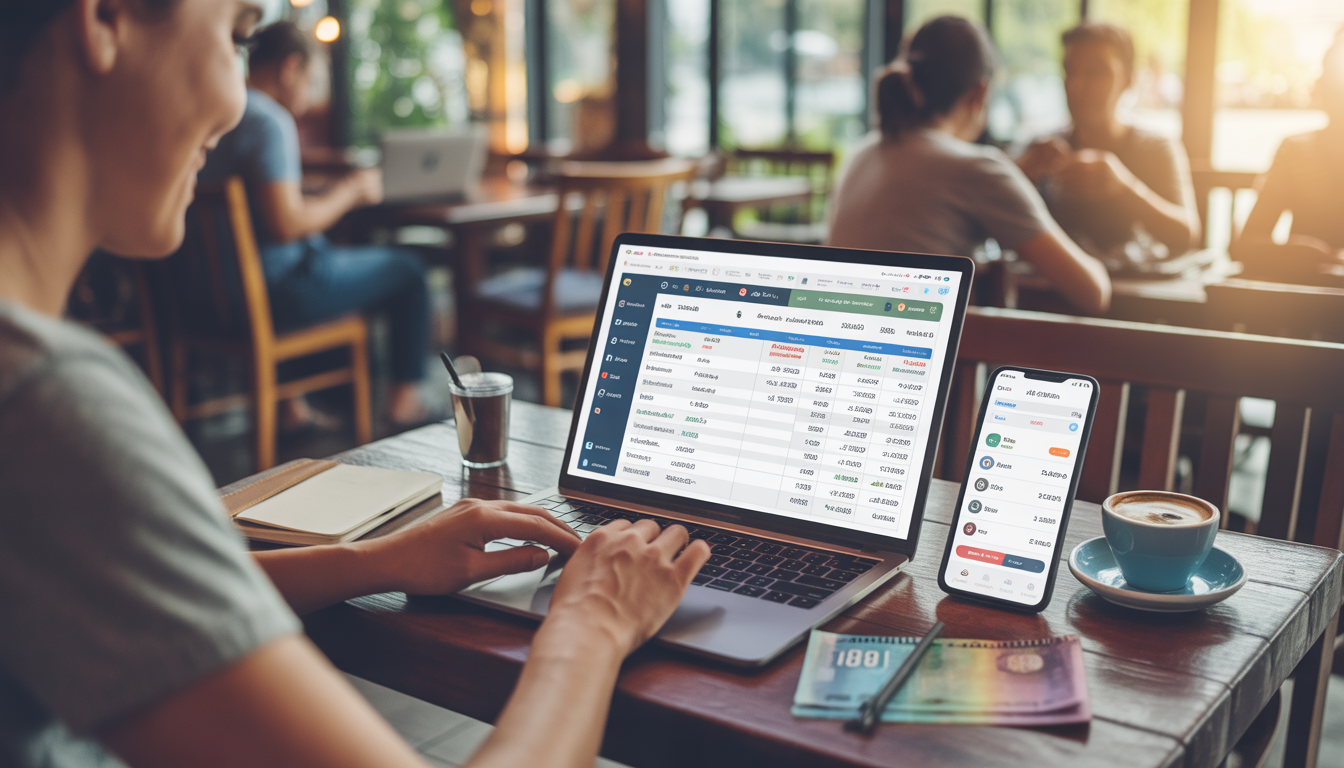
The difference? Strategy.
The digital nomad lifestyle is more than just a trend—it’s a global movement reshaping how we work and live.
With the rise of remote work, thousands are trading traditional offices for beaches, cafés, and co-living spaces. However, living location-independently has a catch: it can quickly become expensive if you don’t manage your finances wisely.
Without a strategy, costs for short-term accommodation, eating out, and constant travel can drain your savings fast.
That’s why adopting proven budget travel tips for digital nomads is essential to making this lifestyle sustainable for the long haul. These strategies can help you save $2,000+ monthly while living your dream.
This guide covers practical budget travel tips for digital nomads—from mastering geo-arbitrage to avoiding hidden banking fees—so you can enjoy the adventure without breaking the bank.
1. Master Geo-Arbitrage: Choose Your Destination Wisely
Success as a digital nomad starts with one core economic concept: Geo-arbitrage. This means earning in a strong currency (like USD, GBP, or EUR) while spending in a local currency with a lower cost of living.
If you jump from city to city without researching the economic landscape, your expenses will skyrocket.
It’s that simple.
Research Cost of Living in Advance
Some destinations offer a high quality of life for a fraction of the cost of Western cities. This is one of the most powerful budget travel tips for digital nomads.
Current monthly estimates for popular hubs include:
- Chiang Mai, Thailand: $900–$1,200 (Rent, food, coworking included)
- Bali, Indonesia: $1,000–$1,400
- Mexico City, Mexico: $1,200–$1,800
- Lisbon, Portugal: $1,500–$2,000
- Medellín, Colombia: $1,000–$1,300
These aren’t just numbers from a spreadsheet. These are real monthly budgets from nomads living there right now.
Looking for more affordable destinations? Check out our guide on best budget-friendly destinations in Asia.
2. Adopt “Slow Travel” to Slash Expenses
“Fast travel”—jumping to a new country every week—is not only exhausting but also a budget-killer.
Flights, airport transfers, and short-term Airbnb fees add up fast. I’ve seen nomads burn through $2,000 in a month just on logistics alone.
Slow travel involves staying in one location for 1 to 3 months. This is one of the most effective budget travel tips for digital nomads that can save you thousands. This strategy allows you to:
Negotiate cheaper rent: Landlords often give discounts for monthly stays. Sometimes 30-40% off the nightly rate.
Reduce transport costs: Fewer flights mean more money in your pocket.
The math is obvious but people still ignore it.
Avoid “Tourist Pricing”: You have time to find local markets and restaurants rather than relying on expensive tourist traps. After week two, you’ll know which street stall has the best Pad Thai for half the price.
Learn more about this approach in our complete guide to slow travel on a budget.
3. Essential Accommodation Hacks for Nomads
Housing typically consumes 30–50% of a nomad’s budget.
Optimizing this expense is the single most effective way to extend your runway. These accommodation budget travel tips for digital nomads can cut your housing costs in half.
Co-living Spaces
Co-living spaces are hybrid environments designed specifically for remote workers.
Think dorms for adults, but actually good.
Why it saves money: You get a private room, workspace, utilities, and high-speed Wi-Fi all in one bill. It eliminates the need for a separate coworking membership ($100-250/month).
Top Platforms: Selina (Global), Outsite (US/Europe), and Coliving.com.
House Sitting
This is the ultimate budget hack: free accommodation in exchange for property or pet care.
Sounds too good to be true, but it’s not.
Platforms: TrustedHousesitters, HouseCarers, Nomador.
Real-world example: A nomad in Barcelona famously saved nearly $3,000 by house-sitting for three months, only paying for their food and flights. The trade-off? Watering plants and walking a dog twice daily.
Worth it.
For more creative ways to save on housing, read our guide on how to score free accommodation abroad.
Local Rentals & Hostels
Direct Negotiation: Avoid service fees on Airbnb by joining local Facebook groups (e.g., “Rentals in Canggu”) and negotiating directly with landlords.
You’ll save 15-20% on fees alone.
Hostels: Many hostels now offer private rooms with desk setups specifically for nomads, often at 40% less than a hotel. The stigma around hostels is outdated—modern ones are clean, safe, and social.
4. Smart Food Strategies: Street Food vs. Cooking
Food costs vary wildly based on your habits.
A nomad dining at tourist restaurants in Europe might spend $800+ monthly, while someone embracing local culture in Southeast Asia might spend just $200. That’s a $7,200 annual difference.
Smart food choices are essential budget travel tips for digital nomads.
Embrace Street Food Culture
In regions like Asia and Latin America, street food is often cheaper than cooking at home.
And honestly? Usually better.
- Pad Thai in Bangkok: ~$2.00
- Tacos in Mexico City: ~$1.00 each
- Pho in Vietnam: ~$1.50
Discover more authentic local experiences in our guide to best food experiences for budget travelers.
Cooking on the Road
If you’re in Europe or North America, self-cooking is the most reliable money-saver.
Restaurant prices will destroy your budget.
Bulk Buying: Purchase staples like rice, pasta, and oats from local markets rather than convenience stores. Shop where locals shop, not where tourists browse.
The Nomad Kitchen Kit: Carry a small spice kit, a decent knife, and collapsible Tupperware. This allows you to cook in poorly equipped Airbnbs and save leftovers for lunch.
Yes, you’ll look weird at airport security. No, you shouldn’t care.
5. Banking and Financial Management for Budget Nomads
Many nomads lose hundreds of dollars a month to hidden banking fees and poor exchange rates.
This is often an overlooked aspect of budget travel tips for digital nomads. It’s invisible money bleeding that adds up fast.
Smart financial management is one of the most critical budget travel tips for digital nomads that most people ignore.
Avoid Transaction Fees
Never use your standard home bank card for international transactions unless it has zero foreign transaction fees.
Your bank is quietly robbing you with 3% fees and terrible exchange rates.
Use Fintech Solutions: Services like Wise (formerly TransferWire) and Revolut offer mid-market exchange rates and low fees. These save you 2-4% on every transaction.
Looking for the best financial tools? Check out our guide on best credit cards for digital nomads.
Track Every Dollar
You cannot optimize what you do not measure.
Period.
Use apps like Trail Wallet or YNAB (You Need A Budget) to categorize expenses:
- Housing: Goal 30–40%
- Food: Goal 20–30%
- Transport: Goal 10%
- Fun/Misc: Goal 20%
If your numbers don’t match these ratios, you know where to cut. Learn more about managing your finances while traveling.
6. Managing Connectivity and Work Tools
Your income depends on being online.
Here’s how to stay connected without overpaying. These connectivity budget travel tips for digital nomads ensure you’re always productive.
Affordable Internet
Local SIM Cards: Usually the cheapest option ($10–$20/month for unlimited data in many countries).
Buy them at the airport when you land.
eSIM Technology: Apps like Airalo or Holafly allow you to download a data plan instantly. They’re slightly more expensive than local physical SIMs but save you the hassle of finding a shop upon arrival.
Worth the extra $5 for peace of mind.
Coworking Hacks: If you don’t want a monthly pass ($100–$250), look for cafés with reliable Wi-Fi and buy a coffee as a courtesy. Or use public libraries which are often free in Europe and North America.
Bonus: libraries are quiet.
The “One-Time Investment” Tech Stack
Don’t skimp on hardware. A cheap laptop that breaks costs more than a quality one.
Reliable Laptop: Prioritize battery life (e.g., MacBook Air or Dell XPS). You’ll work from weird places.
Long battery life is non-negotiable.
VPN: Essential for security and accessing geo-blocked content. ExpressVPN or NordVPN work well.
Cloud Storage: Google Workspace or Dropbox to prevent data loss. Losing client work because your laptop died? Career-ending.
For more remote work essentials, read our comprehensive remote work travel guide.
7. Hidden Costs to Watch Out For
To truly master budget travel tips for digital nomads, keep an eye on these invisible expenses that catch people off guard:
Visas: Visa runs (leaving a country to renew a visa) cost money in flights and fees. Look for “Digital Nomad Visas” that allow stays of 6–12 months.
Portugal, Spain, and Thailand all offer these now.
Insurance: Never travel without coverage. Medical emergencies can bankrupt you. Affordable options like SafetyWing or World Nomads are designed specifically for location-independent workers.
This isn’t optional. Read more about travel insurance hacks for budget travelers.
Taxes: Remember to set aside 20-30% of your income for taxes in your home country (or tax residence), so you aren’t caught off guard at the end of the year.
Future you will thank present you.
Conclusion: Master Budget Travel Tips for Digital Nomads
Living a life of travel doesn’t require a millionaire’s bank account.
It requires a millionaire’s mindset regarding resource management.
By leveraging these proven budget travel tips for digital nomads—geo-arbitrage, slow travel, smart accommodation choices, and optimized banking—you can explore the world while growing your savings. These aren’t hacks—they’re a system.
The nomad life isn’t about deprivation. It’s about smart allocation.
Implement these budget travel tips for digital nomads today, and treat your lifestyle like a business—one where the profit is measured in experiences and freedom.
Ready to become a budget-savvy digital nomad?
Get more remote work tips, budget hacks, and destination guides delivered to your inbox.
Frequently Asked Questions (FAQ)
How much money do I need to start as a digital nomad?
While it depends on the destination, a safe buffer is $3,000–$5,000 in savings, plus a monthly income of at least $1,500 for budget hubs like Southeast Asia or South America. This covers your first few months while you figure things out.
What is the cheapest country for digital nomads in 2026?
Vietnam, Thailand, Colombia, and Argentina remain top contenders for low cost of living combined with high-speed internet and vibrant nomad communities. Vietnam edges ahead slightly for pure value.
How can I save money on flights?
Use comparison tools like Skyscanner or Google Flights, book mid-week (Tuesdays or Wednesdays), and travel with carry-on luggage only to avoid baggage fees. Set price alerts and be flexible with dates—sometimes flying a day earlier saves $200. Check out our complete guide on how to find cheap flights like a pro.