Picture this: you’re sprawled on a worn couch in some hostel common room, surrounded by travelers from Germany, Australia, Brazil, and places you’ve barely heard of. Everyone’s talking over each other—”you HAVE to see the waterfalls in Luang Prabang,” “no but seriously, this woman in Hoi An makes the best banh mi,” “wait till you get to the islands though.” Someone’s leaving for Cambodia tomorrow. Someone else just arrived from Vietnam. And suddenly it hits you—this chaotic, spontaneous, beautiful mess is exactly why you travel.
That was me in Bangkok, four years ago. I thought I had a plan. Turns out my “plan” was a rough sketch on the back of a receipt and way too much confidence. I spent four months bouncing around Thailand, Vietnam, Cambodia, and Laos. Spent less than I budgeted. Had more fun than I expected. Made friends I still video chat with. Got food poisoning twice (worth it). And came home a completely different person.
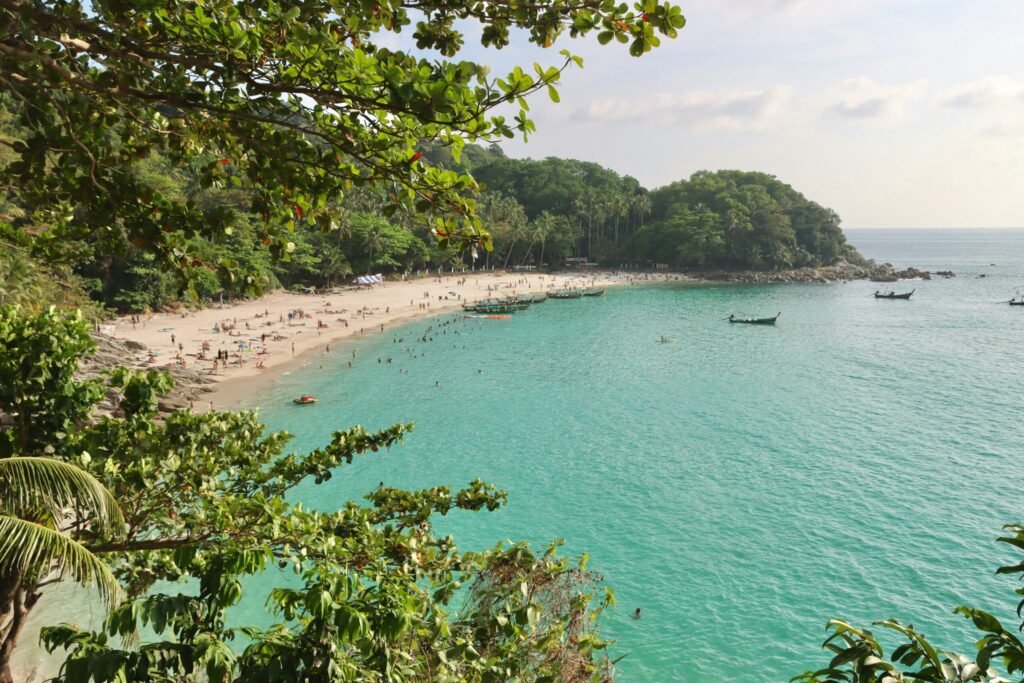
Here’s why Southeast Asia works so damn well for backpackers: it’s cheap as hell. Like, offensively cheap. Your $40 goes further here than $200 does in Europe. The whole region is basically built around backpackers at this point—hostels everywhere, English menus, other travelers to split costs with. The food will ruin you for life (in the best way). Beaches that look Photoshopped. Mountains that make you feel tiny. Cities that assault your senses in the most exhilarating way possible.
But 2025 isn’t 2019. Some spots got expensive. Others that nobody talked about became incredible. Visas changed. The digital nomad boom happened. Countries bounced back from Covid restrictions and honestly improved in a lot of ways.
I’m going to walk you through the whole thing—where to actually go (not just where Instagram says), what it really costs (not blogger fantasy numbers), how to stay safe, what cultural stuff matters, and all those little details that make the difference between a smooth trip and a stressful one.
Two weeks or six months—doesn’t matter. This guide will help you plan something amazing instead of just winging it and hoping for the best.
👉 Never backpacked before? Start here: How to Travel the World with Just a Backpack
Why Backpacking Southeast Asia Still Hits Different
Every couple years, some travel writer declares Southeast Asia is “done” or “ruined by Instagram.” Then millions of people go anyway and have the time of their lives. Because despite everything changing, the region still delivers.
The Money Thing Is Real
Look, $30-50 a day and you’re living pretty well. Not suffering on instant noodles—actually eating at restaurants, staying in clean hostels, doing stuff you want to do, maybe hitting bars a couple times a week. Try that in Europe. Go ahead, I’ll wait.
Street food costs $2-3 for a full meal. Hostels run $5-10 for a bed. Long bus rides are $10-20. Beer’s often under a buck. When I first got to Thailand, I kept thinking I was getting scammed because everything seemed impossibly cheap. Nope, that’s just how it is.
Want to spend even less? People do it on $20 a day—cook your own meals, take the slowest buses, skip paid activities. It’s not glamorous but it works if you’ve got more time than money.
Related: How to Save Money Without Sacrificing Lifestyle
Everything’s Already Set Up for You
Southeast Asia has been dealing with backpackers since before I was born. The infrastructure evolved around it. Hostels designed for meeting people. Buses that connect all the major stops. Tour companies offering everything under the sun. Enough English that you can muddle through without learning Thai or Vietnamese.
This makes it ridiculously easy for first-timers. You don’t need to be some experienced traveler with five languages and a decade of trips. The region basically holds your hand. You’d have to actively try to mess things up.
Culture That Actually Welcomes You In
Some places are fascinating but keep you at arm’s length—language barriers, closed communities, whatever. Southeast Asia’s different. Temples you can explore. Ceremonies happening in the streets. Cooking classes with locals who genuinely want to teach you. Markets that feel unchanged for decades.
And yeah, people are actually warm. The Thai smile thing isn’t tourism board propaganda—it’s real. Vietnamese hospitality once you leave Hanoi’s Old Quarter will blow your mind. Indonesians outside Bali are some of the friendliest people I’ve met anywhere.
Tourism changed things in the heavy-hit areas, obviously. But the welcoming vibe is still there if you’re not a jerk about it.
Always Good Weather Somewhere
Thailand getting hammered by rain? Indonesia’s sunny. Vietnam dealing with typhoons? Laos is fine. The region’s massive, which means somewhere always has decent weather.
November to February is peak season—perfect weather, everything’s open, it’s honestly ideal. But shoulder season and even wet season have perks. Way fewer tourists. Prices drop hard. And “rainy season” doesn’t mean constant downpours—usually just afternoon storms then everything smells amazing.
You Keep Running Into the Same People
This is wild when it actually happens. You meet someone in Bangkok, run into them three weeks later in Siem Reap, end up on the same bus to Hoi An, travel together to Ha Long Bay. The trail creates these spontaneous connections and weird reunions that make solo travel feel less solo.
Plus there’s always people around to grab dinner with, split a taxi, or get recommendations from. Those hostel conversations where everyone’s gushing about their favorite spots? Actually useful. You hear about places no guidebook mentions.
Works for Every Type of Traveler
Want to party? Thailand’s islands got you. Serious hiking? Northern Vietnam and Laos have incredible treks. Temple nerd? Cambodia and Myanmar deliver. Digital nomad? Bali and Chiang Mai are completely set up for that. Want to volunteer? Opportunities everywhere.
Your plans can shift based on who you meet and what sounds good. That flexibility is kind of the whole point. You’re not locked into some rigid itinerary.
👉 Working remotely while traveling? Check out: Best Remote Jobs for Travelers: Work and Explore the World
Where to Actually Go (and Where to Skip)
One of the best parts about backpacking Southeast Asia—you can hit multiple countries without it being some logistical nightmare. Borders are relatively easy. Distances are manageable. Visas are surprisingly chill for most passports.
Thailand: Still the Best Starting Point
Yeah, it’s touristy. Yeah, everyone goes there. There’s reasons for that. It’s the most developed for tourism, which means least intimidating for first-timers. Plus it’s got all the classic experiences you’ve heard about.
The Route Everyone Does (Because It Works):
Bangkok (3-4 days) → Dive straight into chaos. Grand Palace and temples are worth it despite the crowds. The street food alone justifies coming here—some of the best in the world. Khao San Road is a tourist circus but kind of a rite of passage. Chatuchak weekend market is enormous. Stay long enough to adjust to jet lag and Asia’s intensity.
Chiang Mai (4-6 days) → Cheap flight or overnight train north. Base for trekking, ethical elephant sanctuaries (don’t visit the cruel ones), temple hopping, cooking classes. Old city’s got charm. Way more chill than Bangkok’s madness. Digital nomad scene is huge here if that’s your vibe.
Pai (3-4 days) → Bus through gnarly mountain roads (you’ll probably get motion sick). Total hippie town. Waterfalls, hot springs, super relaxed. You’ll either love it or think it’s fake and overrun—literally no middle ground.
Islands (7-14 days) → Finally, beaches. Options forever:
- Koh Tao: Diving central. Cheapest place on earth to get certified.
- Koh Phangan: Full Moon Party is as insane as you’ve heard. Chill the rest of the month though.
- Koh Lanta: Way more relaxed, less party-focused.
- Railay Beach: Boat access only. Stunning cliffs. Rock climbing paradise.
- Phi Phi Islands: Gorgeous but tourist-packed. Maya Bay is iconic but expect crowds.
Skip: Pattaya (just sex tourism, nothing else). Phuket is overdeveloped and expensive, though Kata and Karon beaches are okay if you end up there.
Reality check: Thailand’s the most touristy country in Southeast Asia. Prices in tourist zones have jumped. You might go days without really talking to Thai locals, just other backpackers and people working in tourism. But it’s still incredible, especially if you venture even slightly off the main trail.
Budget: $30-50 daily. More on islands, less up north.
Vietnam: Where I’d Go Back Tomorrow
Hands down my favorite country for backpacking Southeast Asia. The food will ruin other cuisines for you permanently. The landscapes photograph badly because they’re too beautiful to capture. The history’s heavy but important. The culture’s accessible. And it’s still relatively affordable despite getting way more popular.
The Classic North-to-South (or Reverse):
Ho Chi Minh City (2-3 days) → Energy hits you immediately. War museums are emotionally rough but necessary. Street food scene is absolutely unmatched—you could eat different dishes for months. Cu Chi Tunnels make a good day trip. Base for Mekong Delta.
Mekong Delta (1-2 days) → Floating markets, narrow canal boat rides, fruit orchards everywhere. Feels touristy but still worth doing once.
Mui Ne (2 days) → Beach town with massive sand dunes nearby. Sunrise on white dunes is gorgeous if you can wake up. Pretty touristy but relaxed enough.
Dalat (2-3 days) → Mountain town, cooler climate (amazing after beach heat). Coffee plantations, waterfalls, canyoning. Weirdly underrated—more people should stop here.
Nha Trang (2-3 days) → Beach city. People either love it or find it overdeveloped. Good diving though.
Hoi An (3-5 days) → Ancient town, lanterns everywhere. Get custom clothes made cheap—like a tailored suit for maybe $100. Nearby beaches are decent. Cooking classes here are legit. Could easily stay a week.
Hue (1-2 days) → Imperial city, citadel and royal tombs. Gets skipped a lot but worth a quick stop.
Phong Nha (2-3 days) → Cave systems that are absolutely massive. Son Doong is world’s biggest cave but tours cost a fortune. Phong Nha Cave and Paradise Cave are more affordable and still mind-blowing.
Hanoi (3-4 days) → Different vibe than Ho Chi Minh. Old Quarter is charming chaos. Street food everywhere. Base for Ha Long Bay.
Ha Long Bay (2-3 days) → Those famous limestone karsts rising from water. Overnight boat cruise is touristy but legitimately stunning. Day trips exist but aren’t worth it—stay overnight minimum.
Sapa (2-4 days) → Northern mountains, dramatic rice terraces, hill tribe villages. Trekking’s excellent. Can feel exploitative with all the tourism so choose companies carefully.
Ninh Binh (1-2 days) → “Ha Long Bay on land.” Stunning karsts, boat rides through caves, way less touristy. Good alternative if you’re short on time.
What makes Vietnam special: The food alone justifies the flight. Every region has unique dishes. The history’s important to understand. Vietnamese people are incredibly warm once you get past the tourist hustle in major cities.
Getting around: Overnight buses and trains are common, save you a night’s accommodation. Lots of backpackers buy cheap motorbikes and ride the entire country—incredible experience but risky if you can’t ride well.
Budget: $25-45 daily. Generally cheaper than Thailand.
Related: Budget Travel Tips for Digital Nomads
Indonesia: Choose Your Islands Wisely
Over 17,000 islands total, so backpacking here means picking a few and going deep. Trying to see everything is impossible and stupid.
What People Actually Do:
Bali (7-14 days across different areas):
- Canggu: Digital nomad HQ. Surfing, coworking spaces, health food, yoga studios. Either your scene or completely insufferable.
- Ubud: Cultural heart. Rice terraces, temples, monkey forest, art. More traditional than beach towns.
- Seminyak: Upscale beach area. Nicer everything, way pricier.
- Uluwatu: World-class surfing, trendy beach clubs, clifftop temple with killer sunset views.
- Amed/Tulamben: East coast. Great diving and snorkeling, way more chill.
Gili Islands (3-5 days) → Three tiny islands off Lombok. Zero motorized vehicles anywhere. Incredible snorkeling with sea turtles. Gili T is party central, Gili Meno is quiet, Gili Air is middle ground. Feels like a tourist bubble but genuinely beautiful.
Lombok (3-5 days) → Way less developed than Bali. Beautiful beaches without crowds. Mt Rinjani trek is tough but has amazing views.
Nusa Islands (3-4 days) → Off Bali’s southeast coast. Nusa Penida has dramatic cliffs and manta rays everywhere. Nusa Lembongan is more chill.
Java (5-7 days):
- Yogyakarta: Cultural capital. Base for Borobudur at sunrise (legitimately magical) and Prambanan temples.
- Mt Bromo: Sunrise volcano trek. Surreal lunar landscape.
- Ijen Crater: Blue fire phenomenon at night. Sulfur mining. Incredible sunrise. Physically demanding hike.
Flores & Komodo (7-10 days) → Multi-day boat trip from Labuan Bajo. Real Komodo dragons in the wild, manta ray snorkeling, pink beach (actually pink). Way more expensive than mainland but genuinely unique.
Honest take: Bali’s changed dramatically over the past decade. Parts like Canggu feel more like Western enclaves than actual Indonesia. But it’s still beautiful and the culture’s there if you seek it out. Rest of Indonesia feels way more raw and less developed—which is both its appeal and its challenge.
Budget: $35-60 daily. Bali’s pricier. Boat trips add up fast.
Cambodia & Laos: The Chill Duo
These two pair perfectly—smaller, way less developed, more genuinely laid-back, totally different vibes from the more popular countries.
Cambodia:
Siem Reap (3-5 days) → Angkor Wat lives up to the hype. Sunrise there is touristy as hell but still stunning. Get the 3-day pass, explore properly. Town’s super touristy but kind of fun. Pub Street is ridiculous but entertaining.
Battambang (2-3 days) → Gets skipped constantly but shouldn’t be. Bamboo train is weird and fun, bat caves are cool, Phare Circus is excellent. Way more authentic than Siem Reap.
Phnom Penh (2-3 days) → Capital. Killing Fields and S-21 prison are devastating but important. Riverside area’s pleasant.
Koh Rong / Koh Rong Samloem (3-5 days) → Islands off the coast. Beautiful beaches, not too developed yet. Koh Rong parties, Samloem’s quieter. Sihanoukville got completely destroyed by Chinese casinos—skip it entirely.
Kampot (2-3 days) → Riverside town, super laid-back. Pepper plantations, caves. Great decompression spot.
Laos:
Vientiane (1-2 days) → Capital but feels like a sleepy town. Not much happening but pleasant enough. Usually just a transit point.
Vang Vieng (2-4 days) → Used to be a notorious party town. Still has that element but cleaned up. Tubing, rock climbing, hot air balloons, caves. Beautiful karst scenery.
Luang Prabang (3-5 days) → Most charming town in Southeast Asia. Temples everywhere, Kuang Si waterfalls (incredible turquoise pools), alms giving ceremony at sunrise, great night market, French colonial architecture. Could stay way longer.
Northern Loop (5-7 days) → Motorbike loop through mountains. Nong Khiaw, Muang Ngoi, Phongsali. Incredible scenery, super remote feeling.
4,000 Islands (3-4 days) → Southern Laos near Cambodia border. River islands perfect for doing nothing. Hammocks, tubes, waterfalls. Ultimate chill spot. Don Det’s more social, Don Khon’s quieter.
Why these matter: Cambodia’s temples are genuinely bucket list worthy. Laos is the most laid-back country in the region—perfect for slowing down. Both show you Southeast Asia before mass tourism changed everything.
Budget: Cambodia $25-40 daily. Laos $20-35 daily. Cheapest countries in the region.
👉 Want more budget destination ideas? Read: Best Budget-Friendly Travel Destinations in Asia
What It Actually Costs
Biggest question about backpacking Southeast Asia: “how much money do I need?” The range is huge depending on your style and where you go.
Daily Budget Breakdown
Bare Bones ($20-30/day):
- Accommodation: $5-8 (most basic dorm beds)
- Food: $8-12 (street food only, markets, cooking)
- Transport: $3-5 (local buses, shared transport)
- Activities: $2-5 (mostly free stuff)
This works but requires discipline. Cooking lots of meals, rarely drinking, walking everywhere, skipping most paid activities. Doable? Yes. Fun? Debatable.
Sweet Spot ($30-50/day):
- Accommodation: $10-15 (decent hostels, occasional private room)
- Food: $15-20 (street food and restaurants, occasional splurge)
- Transport: $5-10 (buses and trains, maybe occasional flight)
- Activities: $5-10 (most things you want)
- Going out: $5-10 (few beers, occasional night out)
This is where most people land. Comfortable without constant money stress. Can do what you want without always saying no.
Comfortable ($50-80/day):
- Accommodation: $20-30 (private rooms mostly, nicer places, occasional hotel)
- Food: $20-30 (eat wherever, nice meals often)
- Transport: $10-15 (comfortable buses, flights when it makes sense)
- Activities: $10-15 (everything without restriction)
- Going out: $10-15 (regular nights out)
At this level you’re barely compromising. Private rooms almost always, eating well, doing everything you want.
Related: How to Manage Your Finances While Traveling
Country-by-Country Reality Check
| Country | Daily Budget | What’s Expensive | What’s Cheap |
|---|---|---|---|
| Thailand | $35-55 | Islands, organized tours | Street food, hostels |
| Vietnam | $25-45 | Ha Long Bay cruises | Transport, food |
| Indonesia | $35-60 | Bali (especially Seminyak), boat trips | Food outside tourist zones |
| Cambodia | $25-40 | Angkor Wat pass ($37 for 3 days) | Everything else |
| Laos | $20-35 | Adventure activities | Accommodation, food |
| Myanmar | $30-50 | Bagan hot air balloons | Most food, hotels |
| Philippines | $30-50 | Island hopping tours | Street food, hostels |
| Malaysia | $35-55 | More developed areas | Food courts, buses |
Hidden Costs Nobody Warns You About
Visas sneak up on you:
- Vietnam: ~$25-50 depending on passport
- Cambodia: $30 on arrival
- Myanmar: $50 online
- Laos: $30-42 depending on passport
- Thailand, Indonesia, Malaysia: Usually free for 30 days
Insurance isn’t optional: $30-50 monthly for coverage that’ll actually help if things go wrong.
Gear if you don’t have it: Decent backpack, appropriate clothes, etc. Easily $200-500 before you even leave.
Vaccines: Depending on what you need, $200-400 total.
Flights within the region: $50-200 per flight. Buses are cheaper but take forever.
Activities that cost real money:
- Diving certification: $300-400
- Multi-day treks: $50-200
- Ha Long Bay overnight: $80-150
- Angkor Wat 3-day pass: $37
- Hot air balloons: $300+
Money-Saving Tricks That Work
Travel off-season: April through October is wet season. Accommodation drops 30-50%, way fewer tourists, but yeah, more rain.
Overnight transport: Saves a night’s accommodation while getting you somewhere.
Street food most meals: Restaurant meals cost $5-8, street food is $2-3. Over a month that’s massive savings.
Skip expensive tours sometimes: Cheaper alternatives often exist and are sometimes better anyway.
Buy local SIM immediately: Way cheaper than international roaming. Usually $5-10 for a month of data.
Negotiate everything: Tuk-tuks, long hostel stays, street prices. Everything’s negotiable.
Cook occasionally: If hostel has a kitchen, one home-cooked meal daily saves $5-8.
Drink local beer: Tourist bars charge $3-5, local places $1-2, mini-marts $0.50-1 for the same beer.
Book direct: Third-party sites add commission. Go to the bus station or book through your hostel.
Share transport: Taxis and tuk-tuks split between 3-4 people get really cheap per person.
👉 Need side income? Check: Earn Money While Traveling: Practical Ways to Fund Your Adventures
Real Example: 2-Month Trip Budget
Here’s what a solid 2-month trip actually costs:
- Round-trip flights: $800
- All visas: $150
- Travel insurance: $100
- Vaccines/prep: $200
- 60 days at $40/day: $2,400
- Buffer for emergencies: $350
- Total: $4,000
That’s comfortable budget backpacking. Could do $3,000 if being careful. Could easily hit $6,000+ with nicer places and all the expensive activities.
Staying Safe and Not Being That Tourist
Backpacking Southeast Asia is pretty safe, but there’s practical stuff you should know to avoid problems and not be a complete ass to locals.
Real Safety Talk
Petty theft is the main issue: Pickpockets in crowded spots, bag snatching from motorbikes, stuff stolen from hostels. Fix it with: money belt for important stuff, hostel lockers for valuables, don’t flash expensive gear, watch your bag on buses.
Scams happen constantly: Common ones:
- Tuk-tuk drivers pushing “better guesthouse” (they get commission)
- Gem scams in Bangkok
- Taxi meters “broken”
- Overcharging for everything
- Bar bills with crazy prices
Fix: Know rough prices beforehand, agree on prices before services start, be skeptical of too-good deals, read recent scam reports online.
Transport is the actual danger: Road accidents kill way more travelers than anything else. Motorbike crashes are super common, especially when places rent to anyone without checking if they can actually ride. Sketchy overnight buses exist.
Fix: Always wear helmets. Don’t ride motorbikes if you’re inexperienced. Choose reputable bus companies even if more expensive. Avoid the absolute cheapest overnight buses.
Drugs = serious penalties: Don’t mess with this. Penalties are severe throughout the region. Yeah, you’ll see tourists partying. Getting caught means years in horrible prisons.
Natural disasters happen: Typhoons, earthquakes, tsunamis are real. Check weather patterns. Have insurance that covers this. Know evacuation routes in coastal areas.
Women solo: Generally pretty safe. Some harassment happens but way less than many regions. Standard precautions—don’t walk alone super late in sketchy areas, watch drinks, trust your gut.
Bottom line: Southeast Asia is quite safe compared to lots of places. Use common sense, trust your instincts, don’t do stupid drunk stuff, you’ll probably be fine.
Related: Travel Insurance Hacks for Budget Travelers
Visas in 2025
Most Western passports get generous tourist visas but it varies:
Thailand: 30 days free (extend another 30 for $30). Visa runs to neighbors possible but they’re stricter now.
Vietnam: E-visa online ($25-50 depending on nationality) for 30-90 days. Fairly easy to extend through agencies.
Cambodia: $30 visa on arrival for 30 days. Super easy to extend. E-visa available online too.
Laos: $30-42 visa on arrival depending on passport. 30 days standard.
Indonesia: 30 days free. Extend once for another 30 days (~$50). Bali might add tourist tax—check current status.
Myanmar: E-visa required ($50). 28 days. Situation changes with politics—definitely check before going.
Malaysia: 30-90 days free depending on nationality.
Philippines: 30 days free.
Important: Visa rules change. Always verify current requirements before booking flights. Some countries want proof of onward travel—actual booked ticket out.
Cultural Stuff That Matters
Dress right at temples: Shoulders and knees covered, period. Beach clothes are for beaches, not cities or rural areas. Some temples won’t let you in otherwise.
Shoes off: Before temples, homes, sometimes shops. Watch what everyone else does.
Buddha is sacred: Don’t climb statues for photos. Don’t point feet at Buddha images. Don’t get Buddha tattoos—can get you deported from Thailand.
Head and feet: Head’s sacred, feet are dirty in Buddhist culture. Don’t touch heads. Don’t point feet at people or religious images.
Monk rules: Women shouldn’t touch monks or hand them things directly. Monks sit on higher seats. Show respect.
Bargain at markets: Expected at markets, with tuk-tuks, street vendors. Not at restaurants or fixed-price shops. Be friendly—it’s negotiation, not combat.
Tipping’s not traditional: But appreciated in tourist areas now. Round up for good service, maybe 10% at nicer restaurants. Not necessary at street stalls.
Minimal PDA: Holding hands is fine, making out in public isn’t appropriate.
Smile: Goes incredibly far. The Thai smile is real—staying friendly and calm gets way better results than anger.
Learn basic phrases: Hello, thank you, how much, delicious. Even a few words shows respect and gets positive responses.
Never criticize: Especially royal families or religion. Can literally be illegal in Thailand. Even if you disagree, keep it to yourself.
Health Basics
Vaccines to consider: Check with a travel doctor but typically:
- Hepatitis A and B
- Typhoid
- Tetanus
- Rabies if lots of animal contact
- Japanese Encephalitis for long-term rural areas
Malaria: Risk varies hugely. Most tourist areas don’t need prophylaxis. Remote jungle areas might. Talk to a doctor.
Insurance is essential: Medical care is cheap by Western standards but still expensive if something serious happens. Get coverage for:
- Medical emergencies and evacuation
- Adventure activities (diving, trekking)
- Lost/stolen items
- Flight cancellations
World Nomads and SafetyWing are popular with backpackers.
Water: Don’t drink tap water anywhere. Brush teeth with bottled water. Ice is usually fine in tourist areas (made from filtered water) but sketchy rural.
Food safety: Street food is generally safe despite looking sketchy. Look for high turnover and locals eating there. Avoid stuff sitting out forever at room temperature.
Pharmacies: Really easy to get most medications over the counter. Antibiotics, painkillers, stomach meds—available and cheap. Just verify you’re buying real brands not counterfeits.
Related: Stay Healthy While Traveling on a Budget
Wrapping This Up
Backpacking Southeast Asia isn’t about checking temples and beaches off some Instagram list (though yeah, those are incredible). It’s about that feeling when your entire life fits in a backpack. Meeting random people who become actual friends. Eating food that costs nothing and tastes better than anything back home. Waking up sometimes not entirely sure what country you’re in because you’ve moved around so much. Those pure travel moments that only happen when you’re young (or young at heart), somewhat broke, and everything’s uncertain in the best way.
The region’s been a backpacker rite of passage for decades for good reasons. It’s affordable enough that almost anyone can make it work. Welcoming enough that solo travel feels safe and social. Diverse enough you could travel six months and still miss stuff. And honestly just magical in ways that are hard to explain until you experience it.
Yeah, parts got touristy. Yeah, prices increased in popular spots. Yeah, everyone’s been to Thailand. But your experience will be uniquely yours. The people you happen to meet, the random towns you fall in love with, that street food stall that becomes your regular spot, the temple you visit when nobody else is around, that conversation with a local that shifts your perspective—those moments can’t be replicated or ruined by other tourists existing.
So if you’re thinking about this, stop overthinking. Book a flight to Bangkok. Get a decent backpack. Buy travel insurance. Learn “hello” and “thank you” in a few languages. Download offline maps. Then go. The infrastructure’s waiting. The experiences are out there. You’ll figure out the rest as you go—like millions before you and millions after.
Southeast Asia meets you wherever you are—first trip or fiftieth, 22 or 52, two weeks or two years. The region adapts to whatever you bring. And you will too.
For more route planning, current visa info, and constantly updated advice, check out Lonely Planet Southeast Asia and Nomadic Matt.
👉 More travel guides at XRWXV.
Quick Reference: 3-Month Sample Route
| Weeks | Countries | Key Stops | Budget Range |
|---|---|---|---|
| 1-2 | Thailand | Bangkok, Chiang Mai, Pai | $700-1,000 |
| 3-4 | Thailand | Islands (Tao, Phangan, Lanta) | $800-1,200 |
| 5-6 | Cambodia | Siem Reap, Battambang, Islands | $600-900 |
| 7-8 | Vietnam | South (HCMC, Mekong, Mui Ne, Dalat) | $700-1,000 |
| 9-10 | Vietnam | Central (Nha Trang, Hoi An, Hue, Phong Nha) | $700-1,000 |
| 11-12 | Vietnam | North (Hanoi, Ha Long, Sapa, Ninh Binh) | $700-1,000 |
| Total | 3 months, 3 countries | $4,200-6,100 |
*Includes visas, transport, accommodation, food,